Insights
Our take on development through data, every piece tied to a CRAD sector or area of expertise.
Measuring gender equality in energy: lessons from the WOCEWA project
The first regional assessment of gender equality in clean-energy SMEs across ECOWAS: method, results and lessons.

Digital economy: e-commerce and its structural bottlenecks
West African e-commerce is growing fast, yet it remains held back by three structural bottlenecks: last-mile logistics, trust, and payment that is still half offline. UNCTAD's B2C index ranges from 51.9 for Ghana to 5.6 for Niger, a gap that the growth of mobile internet alone cannot close.
Trained teachers: quality at the heart of learning
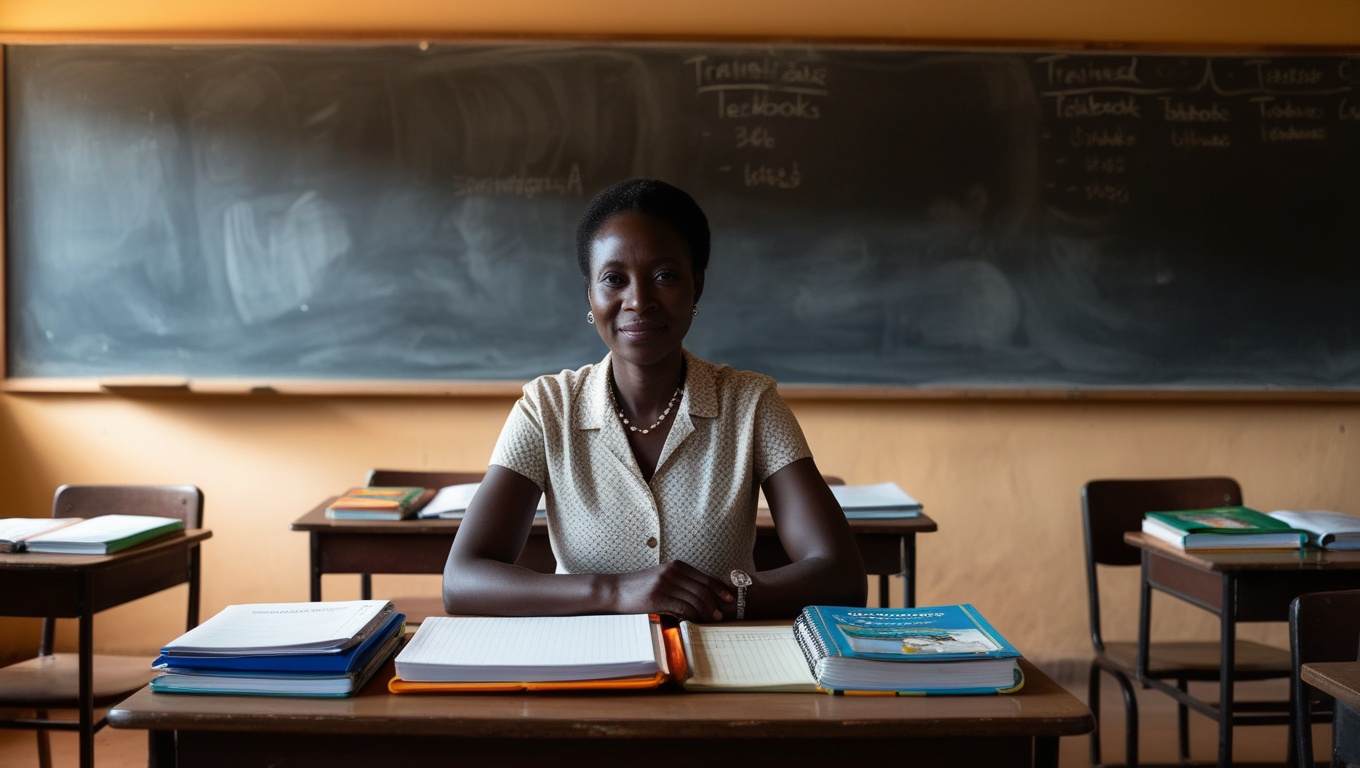
Sub-Saharan Africa is the only region in the world where the share of trained teachers has declined, from 84% in 2000 to 65% in 2019. In West Africa, the range runs from more than 90% in Burkina Faso, Niger and Ghana to 37.4% in Mali. Without trained teachers, no school reform holds: it is the first condition of learning.
Life expectancy: historic gains, and a double burden that threatens them
In a single generation, West Africa gained between 9 and 20 years of life expectancy, one of the fastest health advances anywhere on the planet. But a double burden, with infectious diseases still dominant and chronic diseases rising sharply, now threatens those gains, in health systems that are underfunded and deprived of the disaggregated data needed to steer the transition.

Cashew: West Africa produces half the world's cashews, but exports the value
West Africa harvests nearly half the planet's cashew nuts and ships most of them raw to India and Vietnam, which capture the value added. Benin processes only 8 % of its harvest, yet Côte d'Ivoire proves that moving up the value chain is possible, with the figures to show it.
Solar capacity: dazzling potential, timid deployment
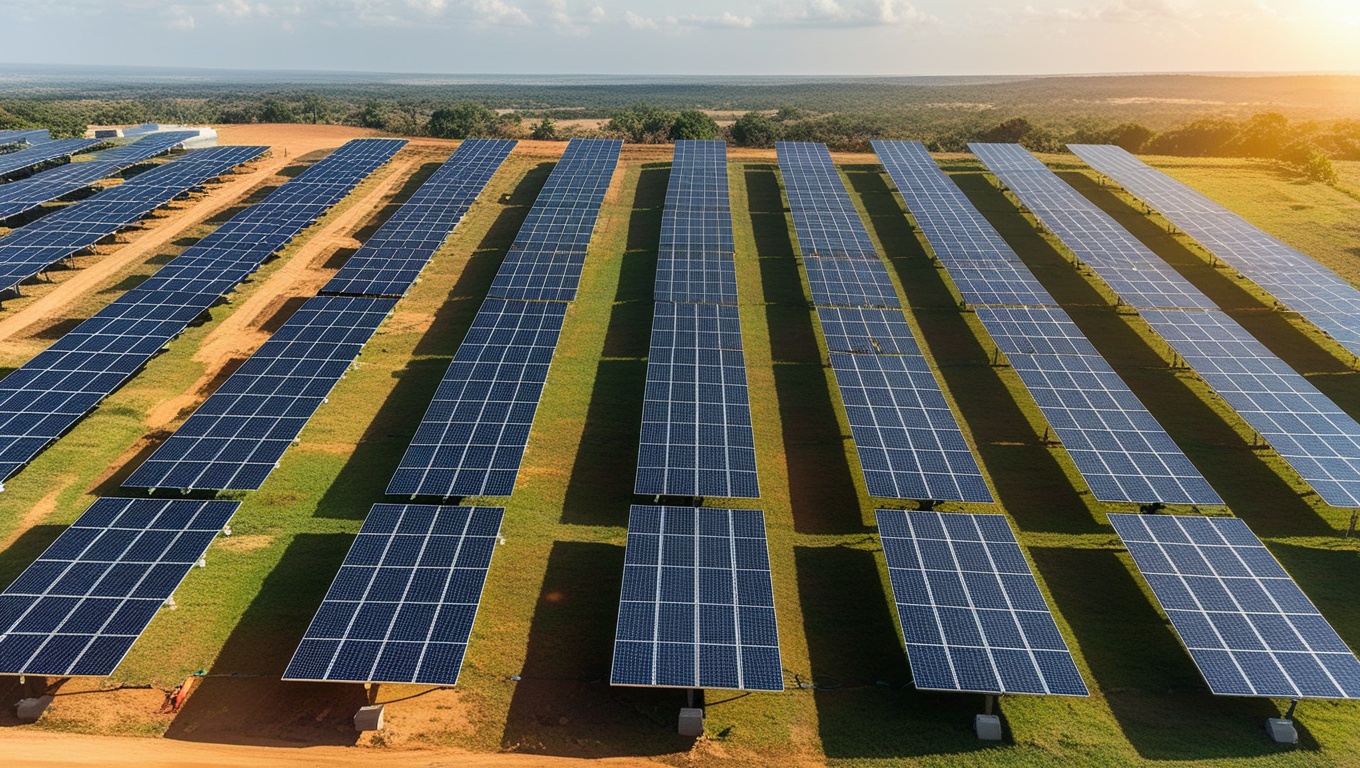
West Africa sits atop one of the finest solar resources on the planet, yet nine benchmark countries had installed a combined total of just 1,346 MW of photovoltaic capacity by the end of 2025, while 181 million people there live without electricity. The bottleneck is not the resource; it is investment, project structuring and bankable data.

Data protection and cybersecurity: a framework lagging behind
West African cybersecurity scores are rising fast, but the legal framework and governance remain behind. Between laws adopted without operational authority, mobile money exploding, and fragmented regional cooperation, the gap between the text and its enforcement now defines the region's real digital risk.
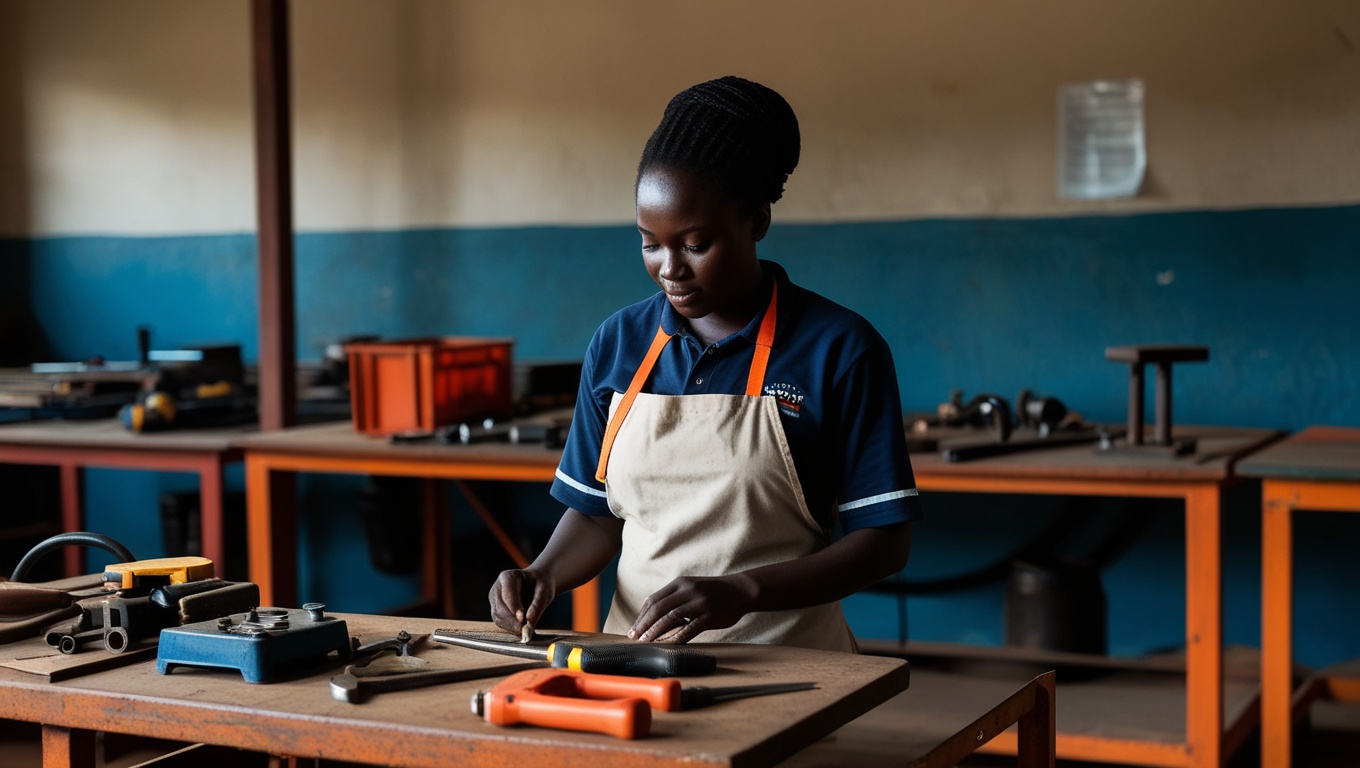
Vocational training: skills, the missing link in youth employment
In West Africa, the real warning sign is not youth unemployment, statistically reassuring, but inactivity: as many as one young person in three is neither in employment, nor in education, nor in training. The missing link is certified skills, while technical and vocational education captures only 2 to 12 % of secondary students and receives a derisory share of education budgets.

Malnutrition: the stunting that mortgages the future
In West Africa, nearly one child in three suffers from stunting, a silent handicap decided in the first thousand days that permanently erodes human capital. It is first and foremost a data problem: knowing who, where and why in order to act before it is too late.
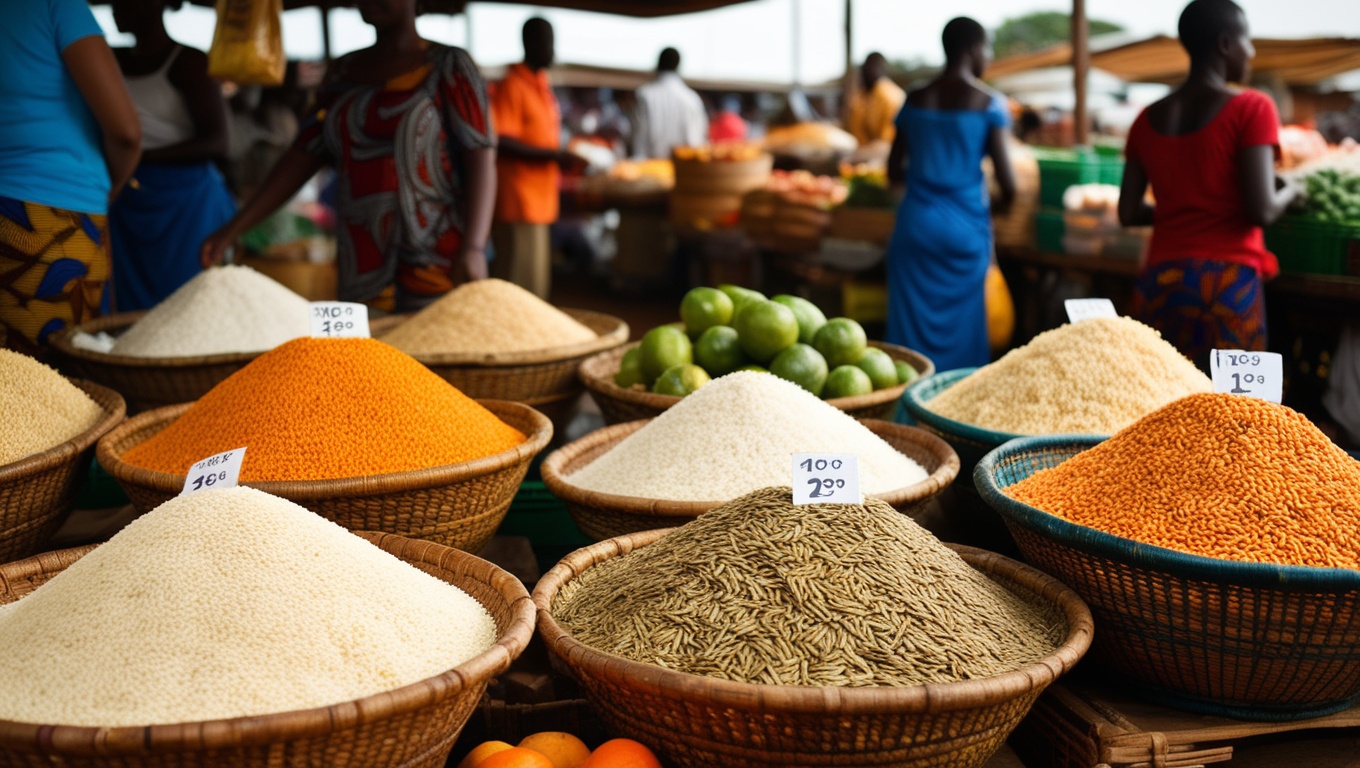
Food inflation: when eating becomes a luxury
In West Africa, food inflation reached historic highs, up to 39.5% in Nigeria in 2024. Behind the national index lies a brutal reality: households spend an average of 55% of their budget on food, and up to 69% for the poorest. Steering this crisis requires measuring the real basket, not just the average.

Out-of-school children: the promise of education still betrayed in West Africa
In 2024, 273 million children and young people are out of school worldwide, rising for the seventh year in a row. Sub-Saharan Africa accounts for 39% of this total and remains the only region where the absolute number is increasing. In West Africa, the divide between coastal and Sahelian countries is widening, and behind the national averages lies a silent crisis of quality: 89% of 10-year-olds cannot read a simple text.

E-government: the state at your fingertips, or not quite yet
In 2024, not one of the nine West African countries assessed reaches the global average for digital government. The divide is measurable, and it is widening. Yet the gap between Ghana and Niger shows that this lag is a matter of public policy choice, not geographic destiny.

Gas flaring: burning a fortune and paying twice
In 2024, the world burned 151 billion m3 of gas in its flares, almost the entire annual consumption of Africa, on a continent starved of electricity. Nigeria embodies the paradox: after cutting its flaring more than threefold in a decade, the country relapsed, while neighbouring Ghana is shutting off the valve. The difference is not geological, it is political.
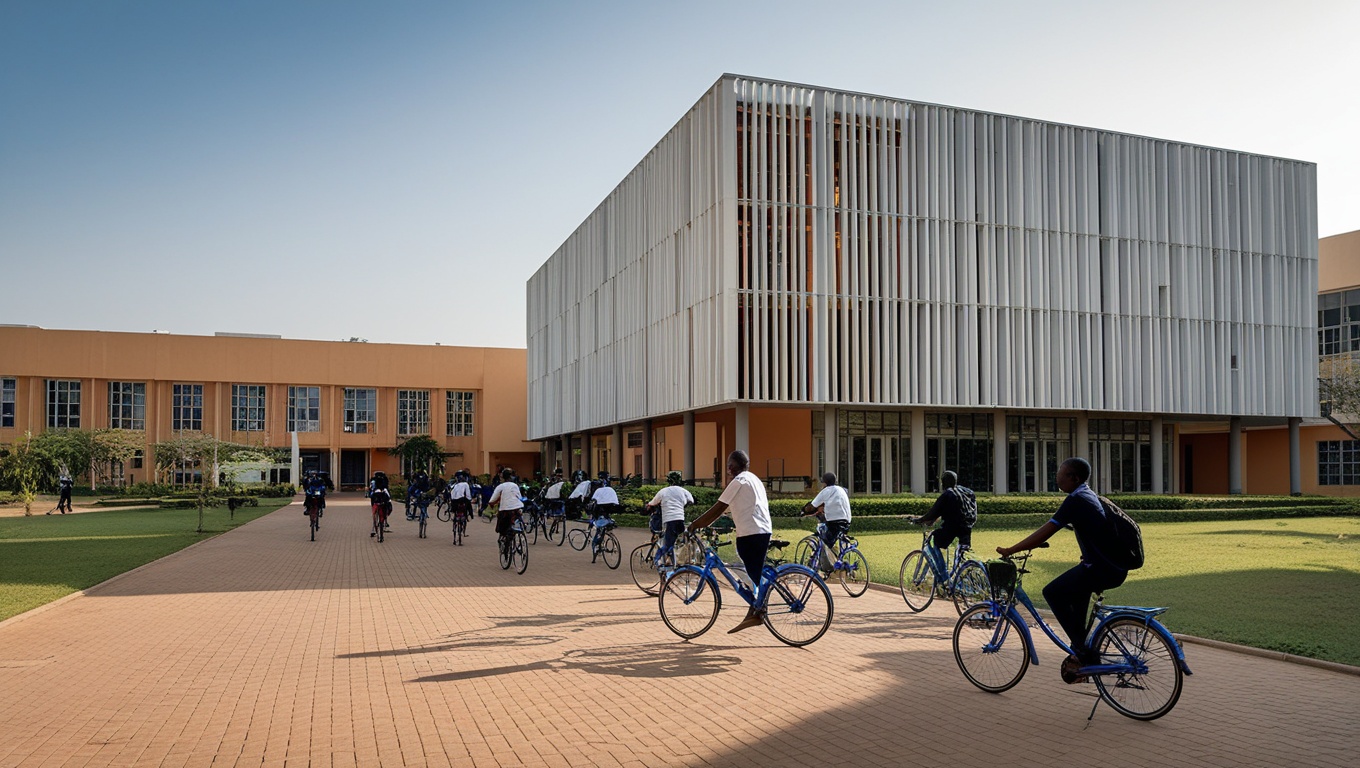
Higher education: training the minds of West Africa's transformation
West Africa enrolls too few young people in higher education, often in the wrong fields, funds it less well than anywhere else on the continent, and loses a share of its brightest minds to other countries. This gap is not inevitable: Ghana and Senegal show that a catch-up trajectory is possible, provided that training is steered by data.

Tuberculosis: the forgotten epidemic that still kills in West Africa
In West Africa, tuberculosis is receding yet continues to kill, not because we do not know how to cure it, but because one patient in four still escapes diagnosis. Behind Nigeria, the region's massive epicentre, a country such as Benin shows that a virtuous trajectory is possible. The real bottleneck is neither medical nor technical: it is made of under-detection and under-funding.
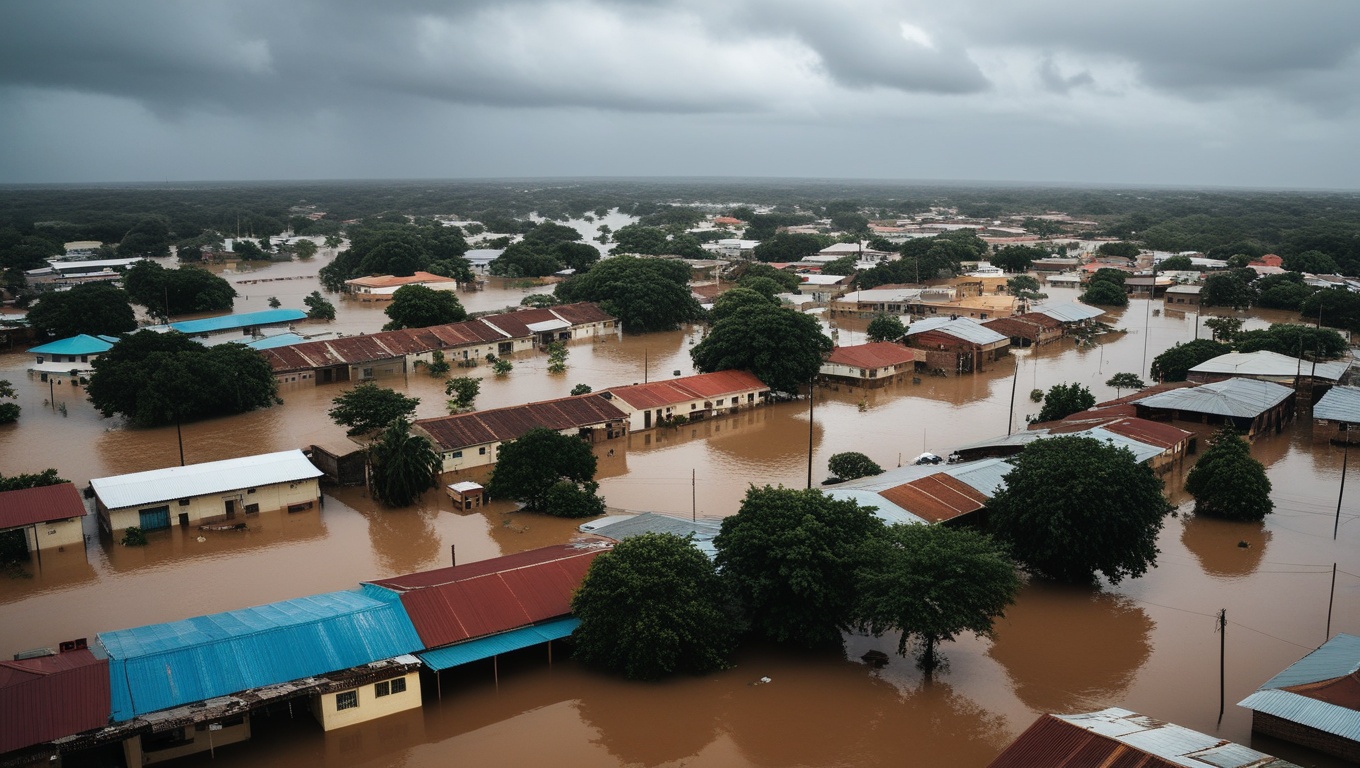
Floods and disasters: the human cost of a destabilised climate
In West Africa, floods have become the most frequent hazard and drought the most far-reaching. Behind fast-rising, under-reported and under-funded tolls lies the question of data: without accurate counting, there can be no fair response and no fair financing.
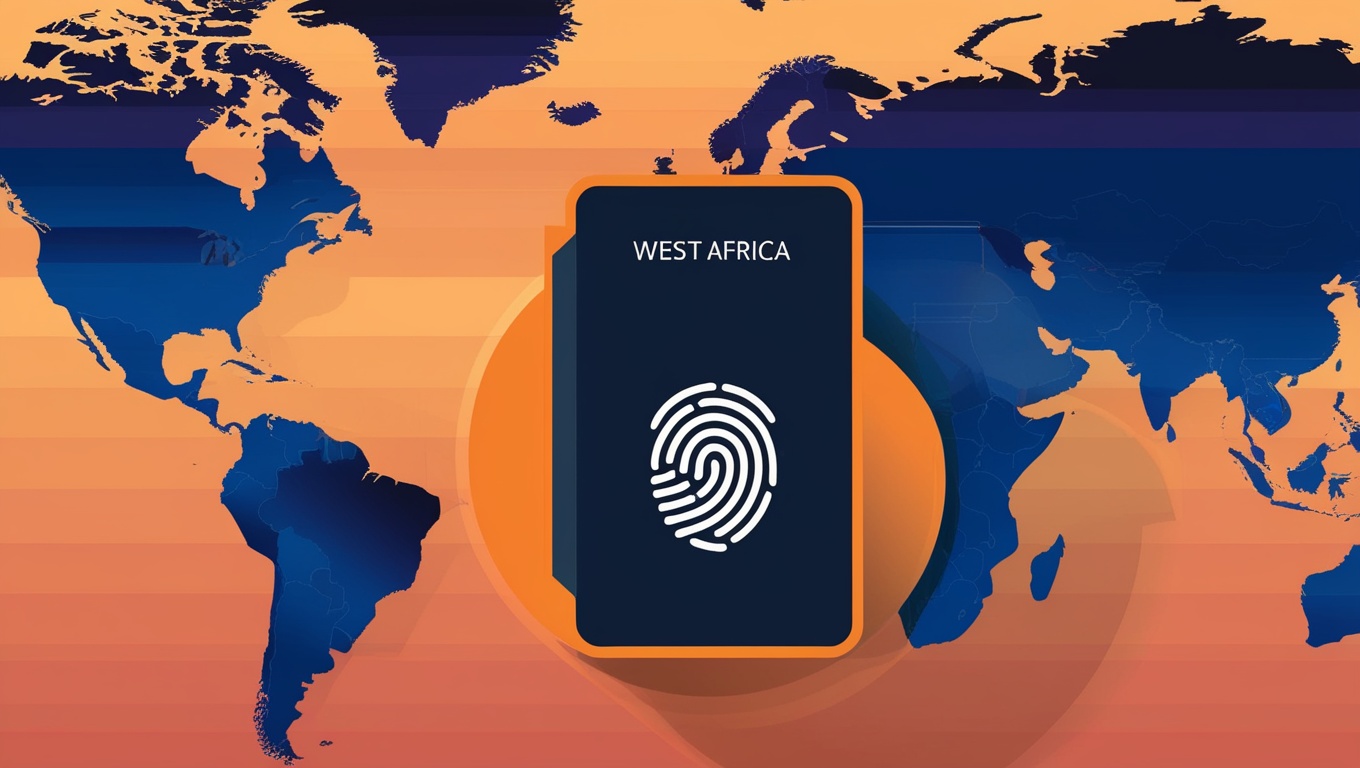
Legal identity: existing in the registries to access rights
In West Africa, millions of adults exist in no official registry. Without an identity document, access to a bank account, public benefits and a SIM card closes off, and it is women who remain the first to be excluded. Closing this identity gap is not an administrative cost: it is the invisible foundation of every development policy, and one of the investments with the highest return.
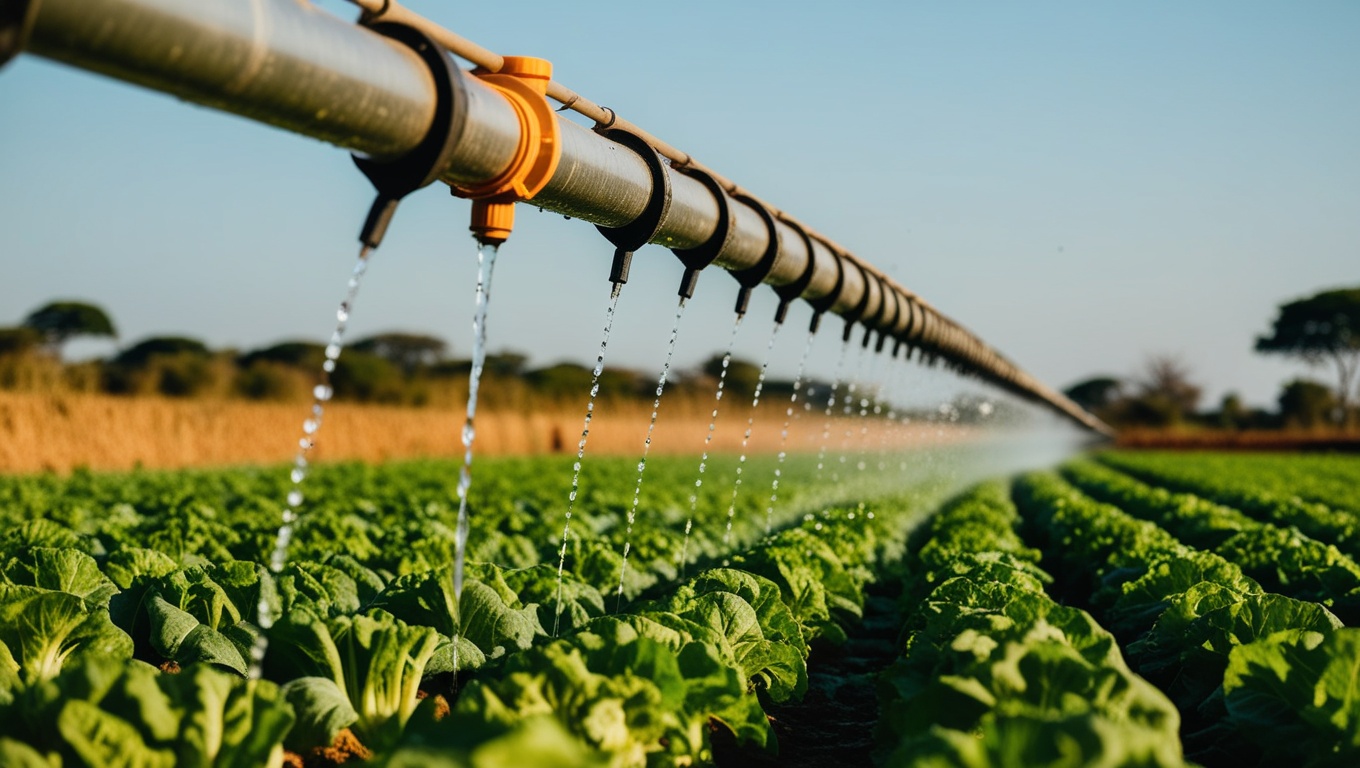
Irrigation: taking agriculture out of the rainfall lottery
In West Africa, farming remains hostage to the rainfall calendar: less than 4% of Sub-Saharan Africa's cropland is irrigated, against 46% in South Asia, even though the continent taps only a third of its irrigable potential. Mastering water means decoupling yields from climatic chance, provided you first measure what already exists and finance the right technology.
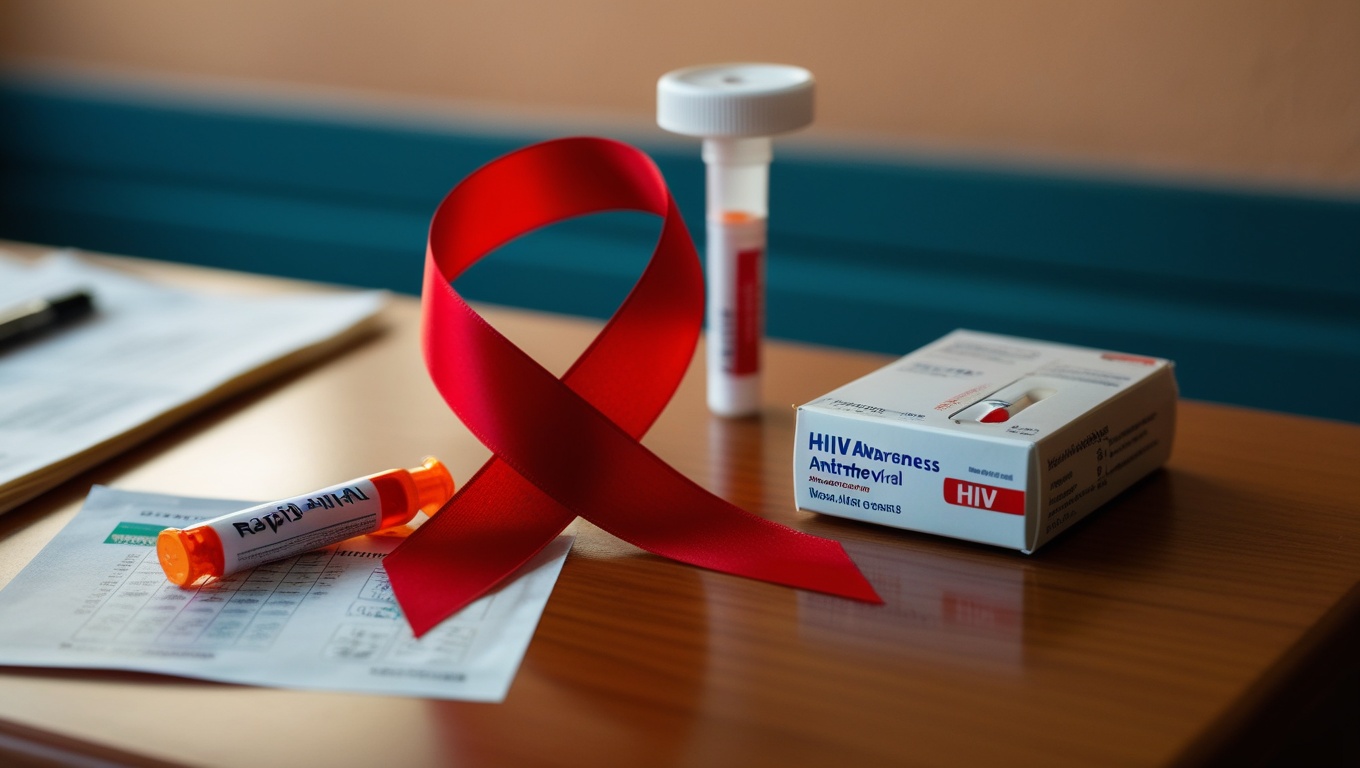
HIV/AIDS in West Africa: a response left to consolidate
In a quarter of a century, West Africa has cut its new HIV infections by nearly four. But this gain rests on volatile external funding: the withdrawal of donors in 2025 already threatens to reopen an epidemic once believed under control.

Early childhood: the missed appointment with pre-primary
In West Africa, only one child in four has access to pre-primary education, even though no educational investment is better documented or more profitable. Behind the averages lies a brutal divide between rich and poor families, between town and countryside. Ghana and Togo prove that near-universal access is a matter of public policy choice.
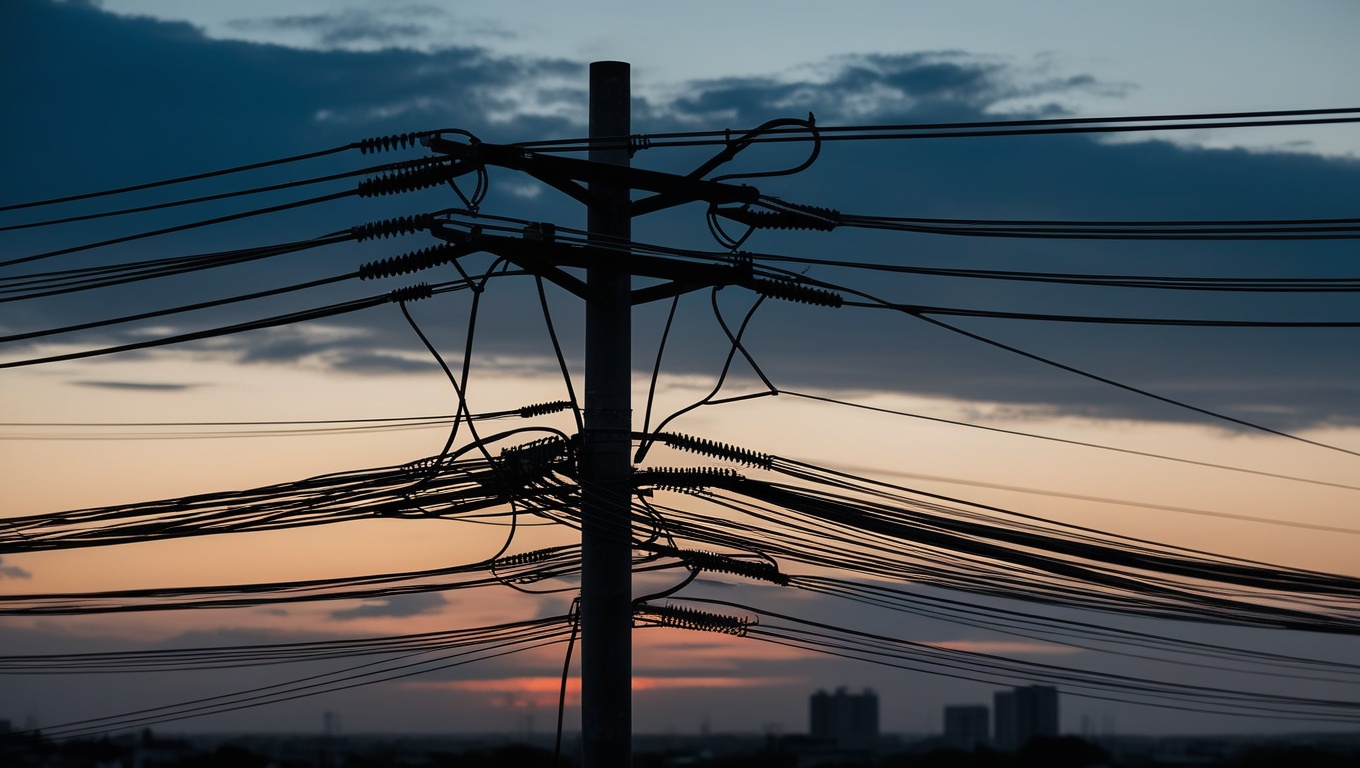
Grid losses: the electricity that is produced but never arrives
In West Africa, a major share of the electricity generated never crosses the meter. With 58.6% of losses in Benin and 45.8% in Niger in 2023, against roughly 7% worldwide, the region bears a financial black hole that Ghana, Senegal and Cote d'Ivoire nonetheless prove is surmountable.
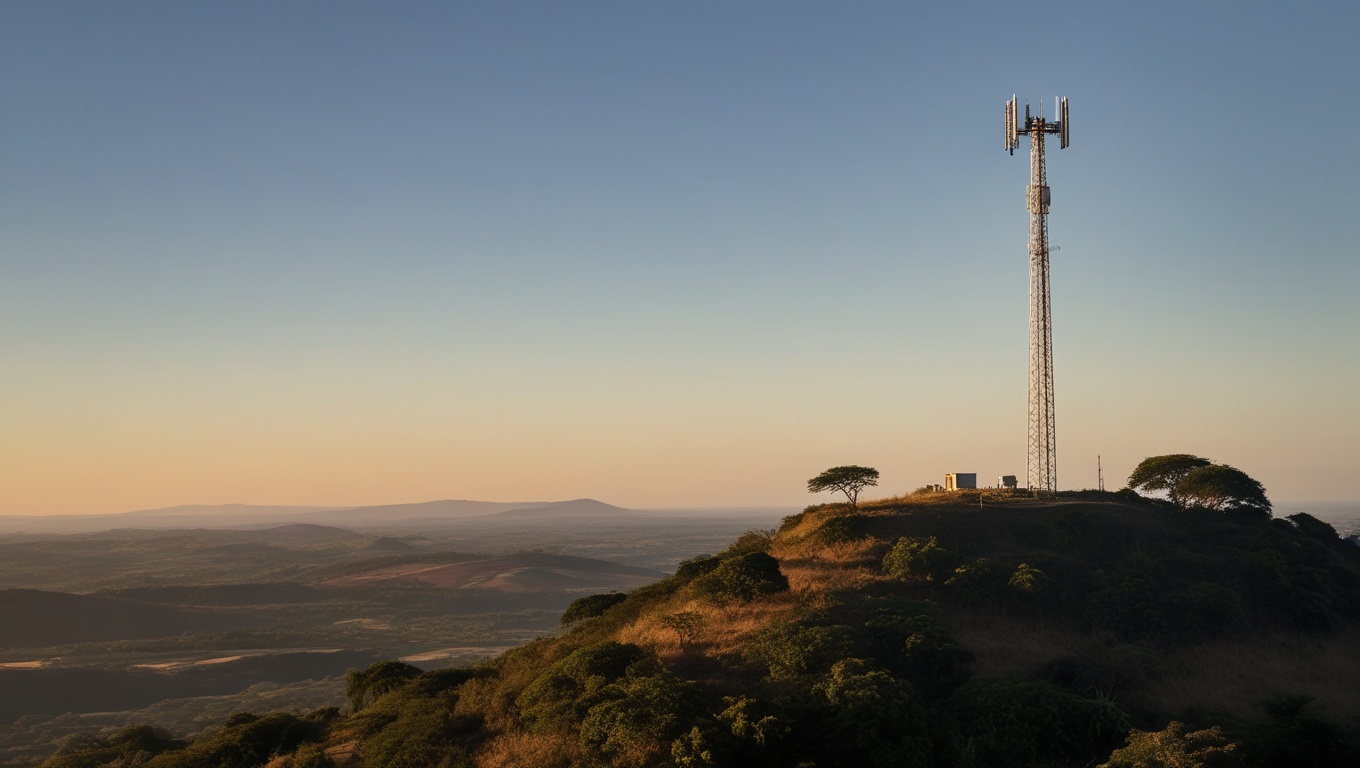
Mobile broadband: the coverage that does not create usage
In Sub-Saharan Africa, 3G and 4G networks now reach nearly 9 in 10 people, yet only a quarter of the population actually uses mobile internet. The real barrier has shifted from the antenna to adoption, and the usage gap here is the widest in the world. Closing it could add hundreds of billions of dollars to African GDP.

Fisheries and aquaculture: the blue protein under pressure
In West Africa, fisheries feed, employ and sustain millions of people, yet their stocks are being depleted while demand surges. Caught between exhausted catches and a still-embryonic aquaculture catch-up, the region is playing a decisive part of its food security, and it is playing it far too often in the dark.
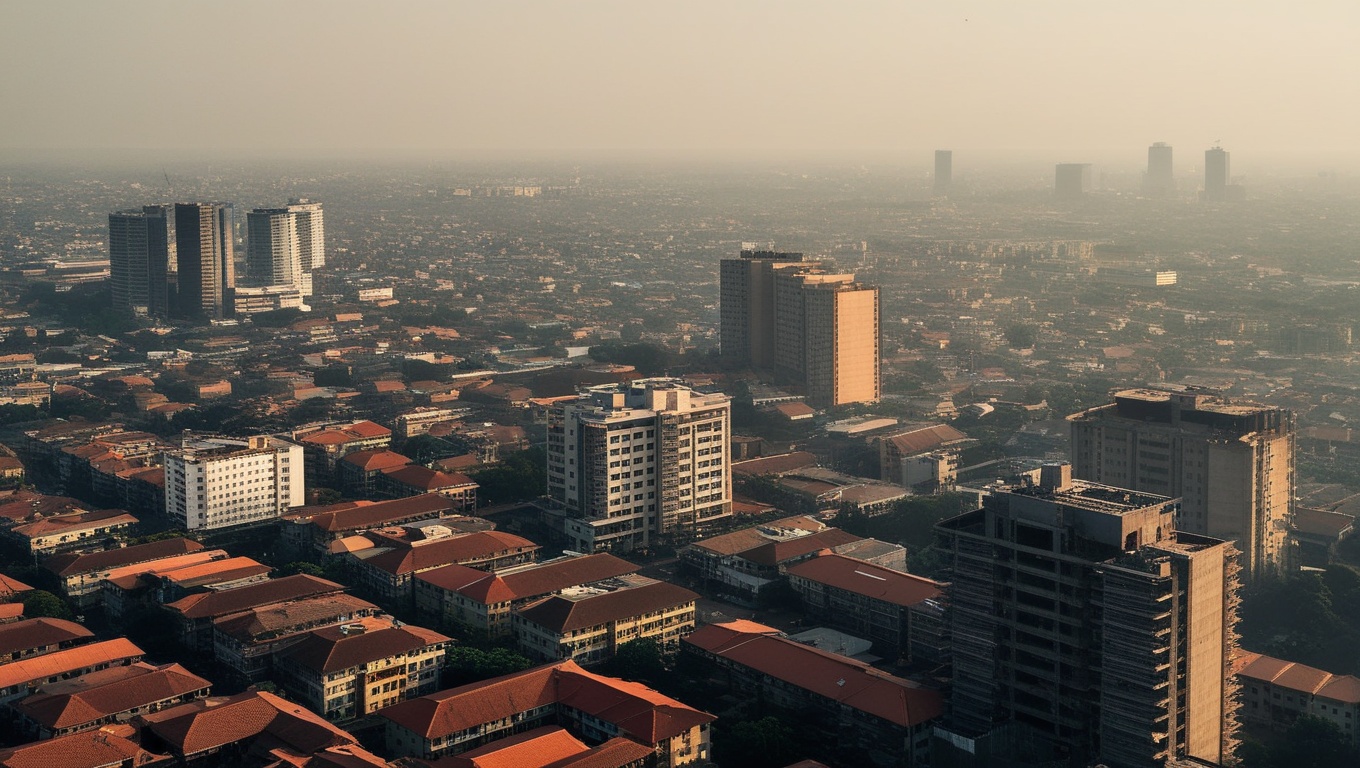
Urbanisation: West Africa's tipping point and its blind spots
West Africa is becoming urban, but its cities are being built faster than their services. When two city dwellers out of three live without safely managed sanitation, the city becomes a public-health issue, not merely a planning one. Real governance plays out neighbourhood by neighbourhood, where national averages see nothing.

Livestock and pastoralism: 100 million cattle of mobile wealth, poorly measured and under-financed
The Sahel and West Africa are home to more than 100 million cattle and support over 20 million pastoralists. Yet this mobile capital slips through the statistics, past customs, and out of public financing. Precisely documenting herds, flows and value added is the precondition for any credible pastoral policy.

Water and sanitation: the invisible foundation of West African development
In West Africa, safely managed drinking water and sanitation remain among the lowest in the world, with brutal gaps between countries, between town and countryside, between men and women. It is a health, schooling and economic foundation that is paid for every year in lives and in points of GDP. The trajectories of Senegal and Ghana show that fixing it is a matter of public-policy choice, not of fate.

The price of connectivity: when one gigabyte costs a day's work
In West Africa, a basket of mobile data can cost as much as two days of work per month, when the global target sets the acceptable price at less than half a day. Behind this price lies the region's largest invisible barrier to digital inclusion, and it is a matter of public policy choices.

Secondary education: the neglected link in human capital
In West Africa, primary school is advancing but the staircase up to secondary education remains broken. One African adolescent in two stays out of lower-secondary school, and barely three young Beninese in ten complete the first cycle. Ghana's example proves that a system can keep its students when it makes them a priority.
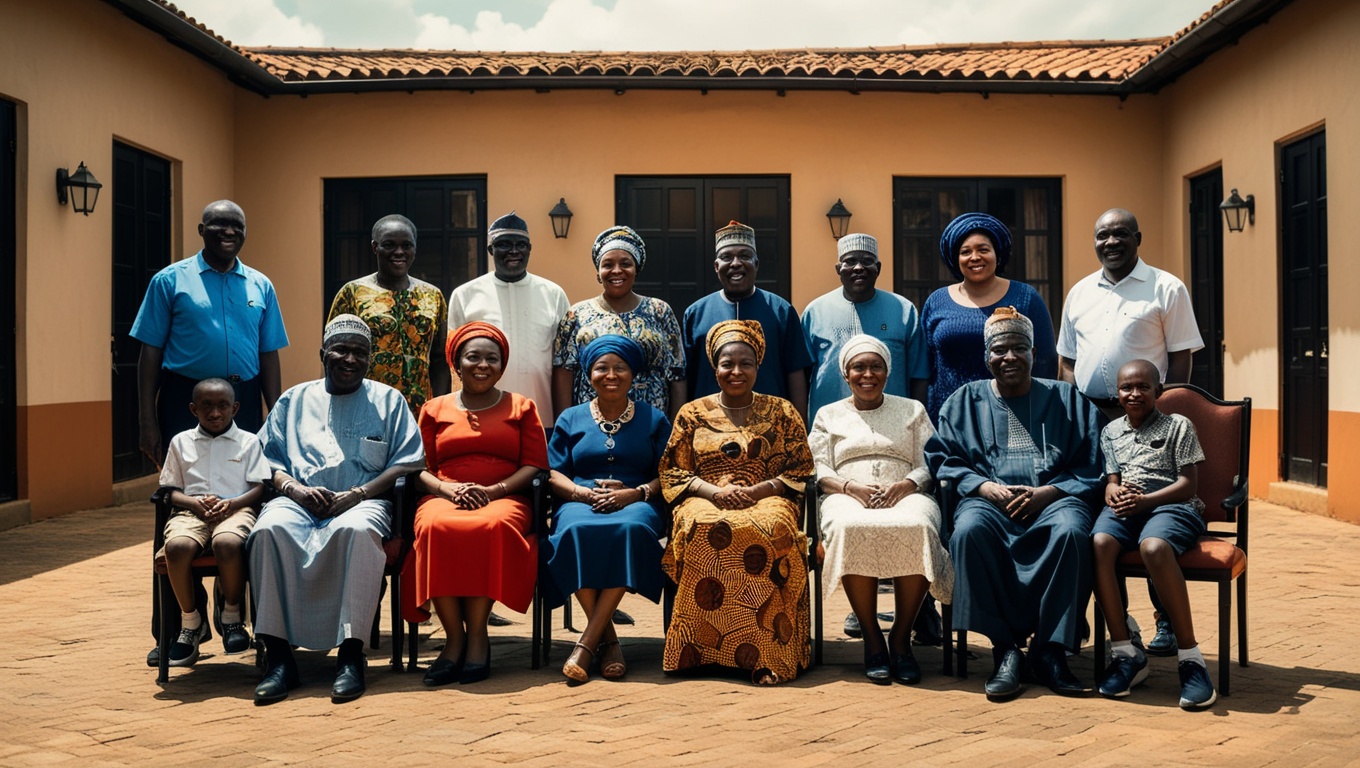
Demographic transition: fertility, the key to West Africa's dividend
Within a single West Africa, fertility ranges from 3.4 children per woman in Ghana to 6.06 in Niger. This near two-to-one gap separates neighbouring countries and decides, on its own, who will capture tomorrow's demographic dividend and who will remain crushed by the weight of dependants.

Cocoa: the Ivorian-Ghanaian duopoly facing the challenge of income, childhood and forest
Côte d'Ivoire and Ghana alone produce more than 60% of the world's cocoa, yet their farmers capture only 6 to 7% of the value of a chocolate bar, at the cost of hundreds of thousands of hectares of forest and the labour of 1.56 million children. The tripling of prices in 2024 does not close this paradox: it reveals it.
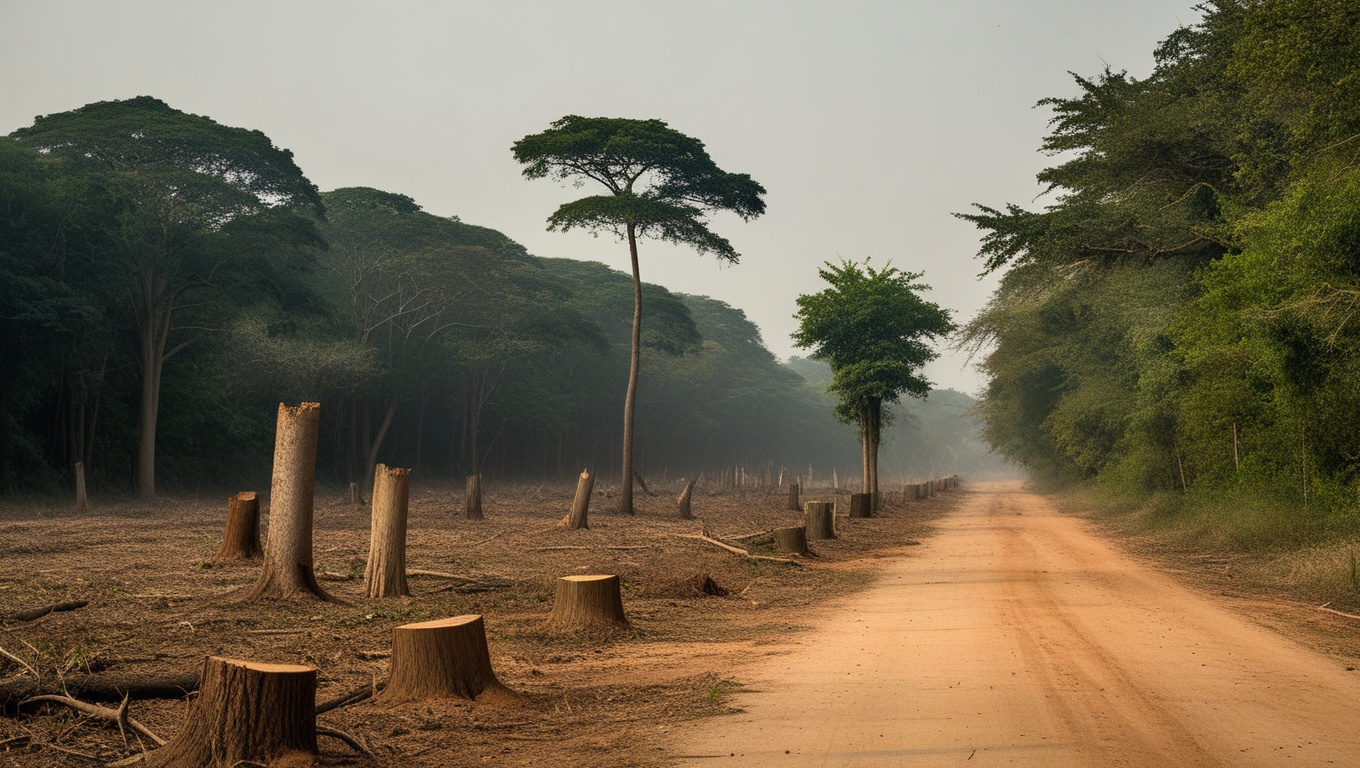
Deforestation in West Africa: the forest cover that is fading away
In a single generation, Côte d'Ivoire has lost two thirds of its forests under the pressure of cocoa, agriculture and fuelwood. This is not an isolated case but the leading edge of a regional erosion that threatens the very resource these economies depend on. Measuring that cover precisely is the prerequisite for any credible policy.

Financial inclusion: how mobile money is reshuffling the deck
In West Africa, mobile money has transformed financial inclusion in a single decade. With 485 million accounts and 357 billion dollars in transactions in 2024, the region has become the world's laboratory for digital payments. A data-driven look at the gains, the persistent gaps and the cost of any backsliding.

Pupil-teacher ratio: quality versus the pressure of numbers
In West Africa, the number of pupils per teacher weighs directly on learning quality. Behind slowly improving averages lies a capacity challenge: recruiting, training and retaining teachers at the pace of soaring demographics.

Malaria in West Africa: incidence is falling, but funding is slipping
The WHO African Region accounts for 95% of the world's malaria cases and 95% of its deaths. Incidence is finally declining in several West African countries, yet only 42% of the global funding target is covered. The risk of a reversal has never been more concrete.
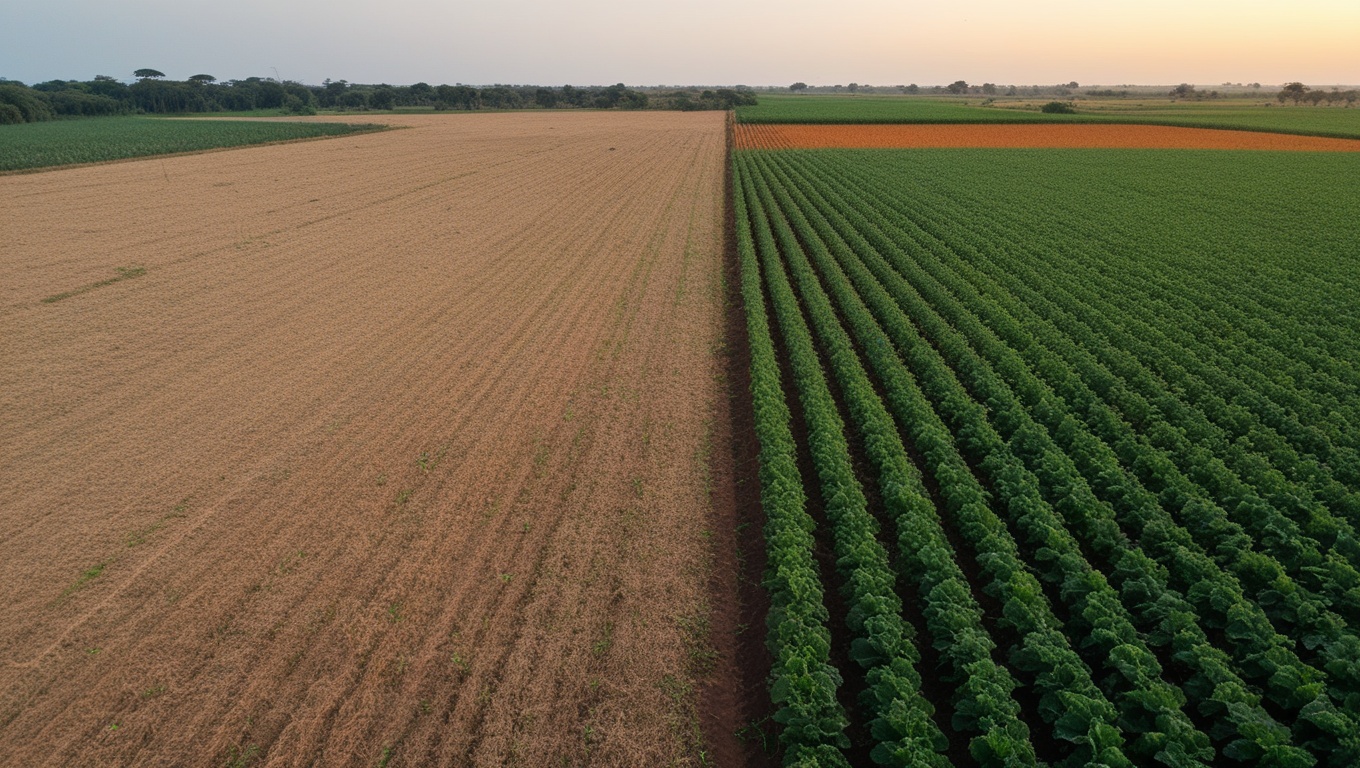
Agricultural yields: the gap with the potential remains considerable
In West Africa, cereal yields rarely reach a third of their agronomic potential. Closing this gap is the most accessible, and least costly, lever for regional food security. Ghana's example shows that it is a matter of public policy choice, not fate.
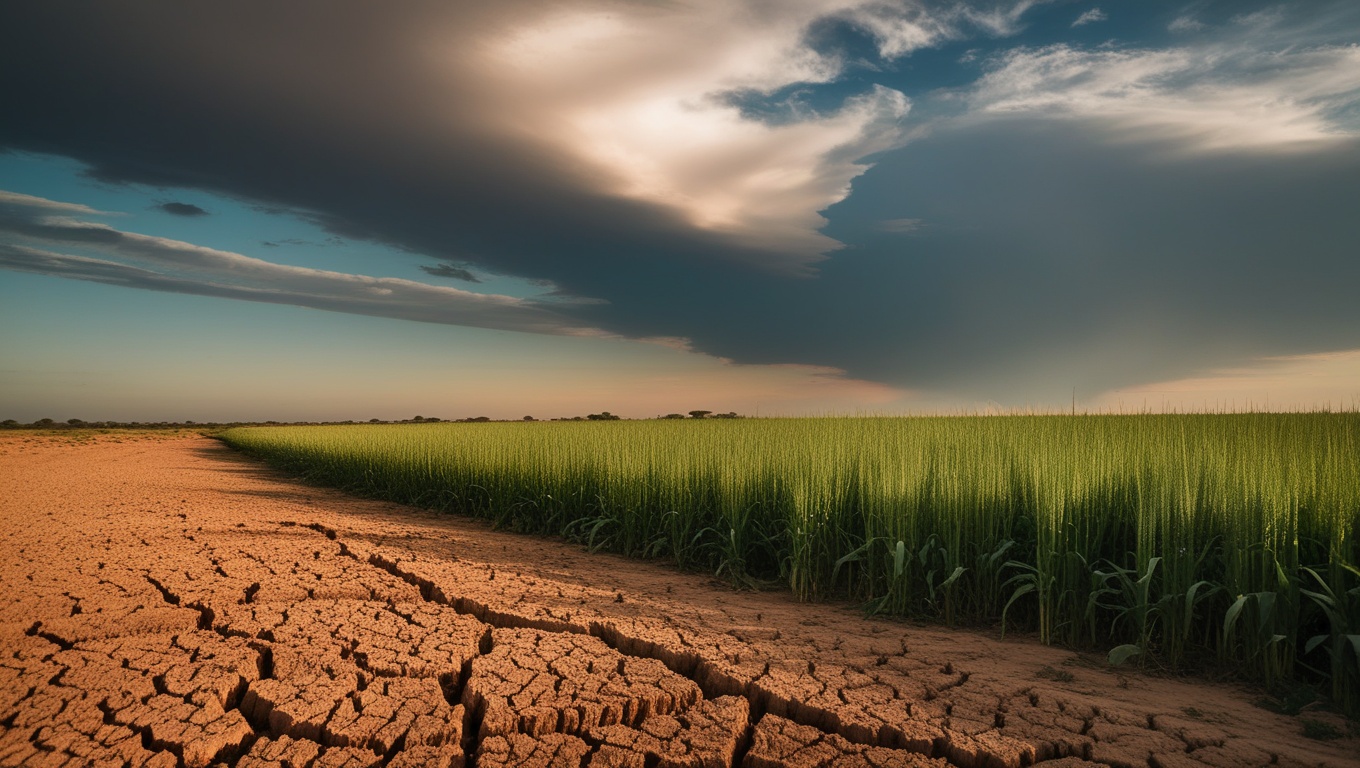
Climate and Sahelian agriculture: measuring vulnerability to adapt better
In the Sahel, more than 80% of people depend on rainfed agriculture exposed to an unraveling climate. Measuring vulnerability precisely, territory by territory, is the precondition for adaptation that holds.

Data governance and open data: West Africa confronts its lag
Africa recorded the world's strongest improvement in open data (+23% in 2024/25), yet West Africa remains held back by scarce infrastructure, hard-to-use data and an underfunded statistical base. Beyond the rankings, we break down the mechanics of the lag, the cost of inaction and the levers of a catch-up that is already under way.
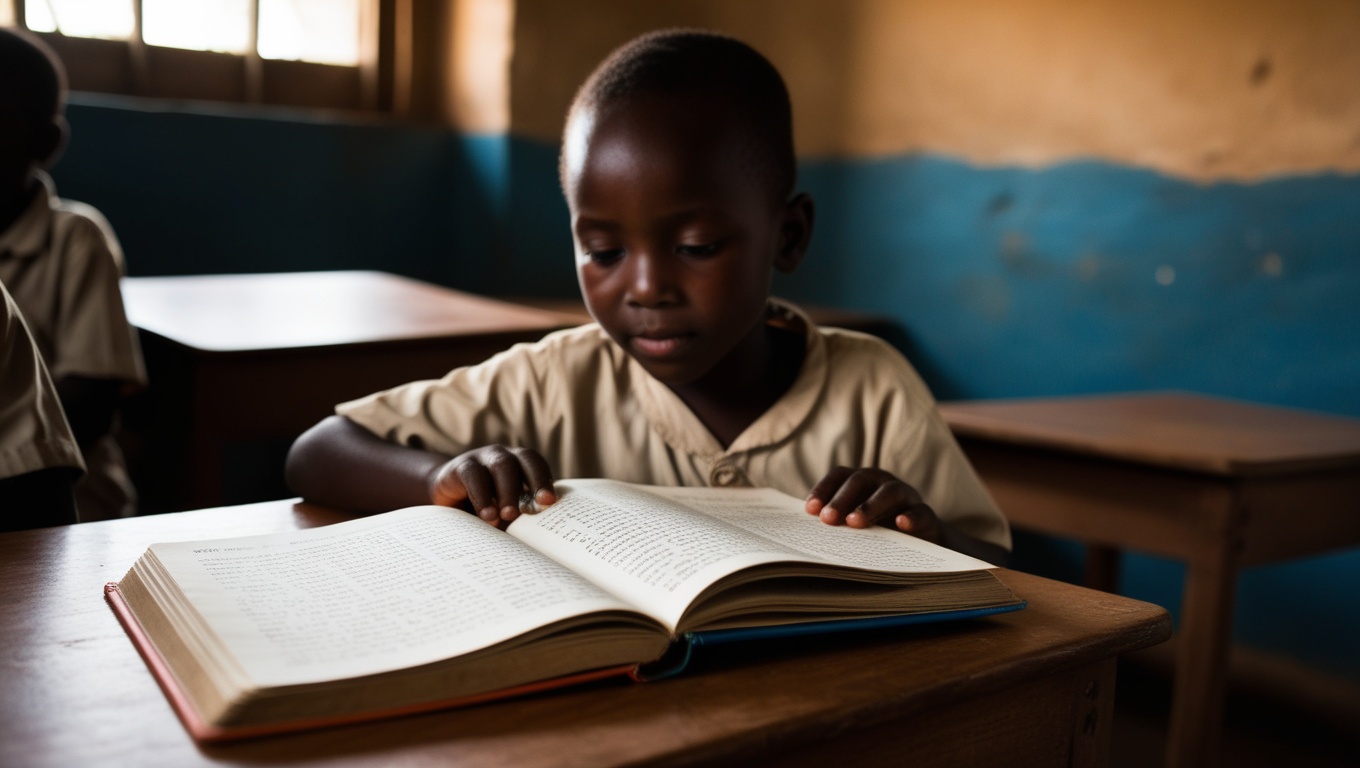
Learning Poverty: Reading to Understand, the Forgotten Emergency
In West Africa, children go to school without learning to read. Behind enrollment rates that have become almost universal, the majority of pupils cannot master a simple text by age 10. This is the silent crisis mortgaging the region's development.

Under-five mortality: a decline that must be consolidated
Since 2000, West Africa has driven down child mortality, but the pace is slowing. Between regional gaps of one to three and a global slowdown in gains, the question is no longer whether progress is possible, but how to consolidate it.
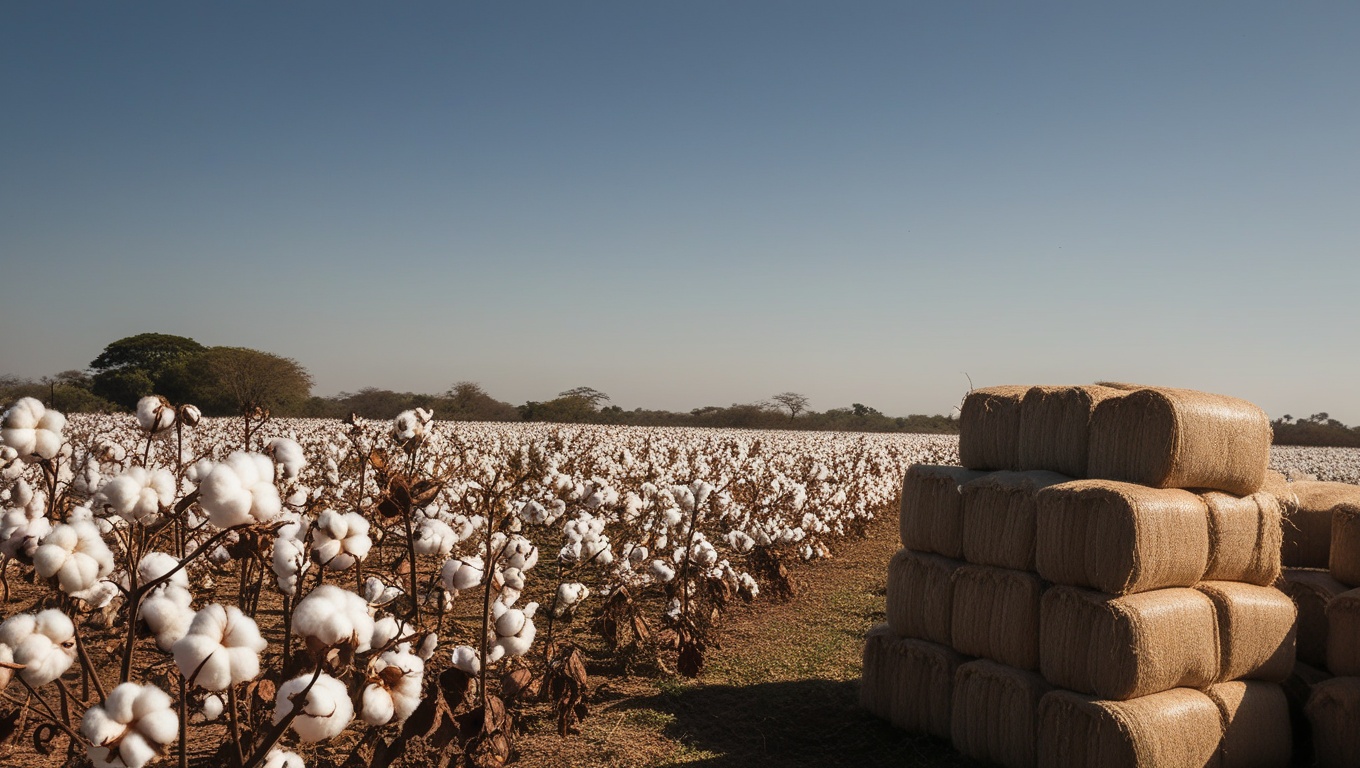
West African cotton: economic weight and dependence
Benin leads African cotton exports (USD 525.7M in 2024) without being the top producer, while Mali's collapse (from USD 324.7M to 63.0M in a single year) is a reminder of how fragile a sector that exports 98 percent of its raw fibre remains, exposed to world prices and insecurity.
Climate finance: what West Africa actually receives
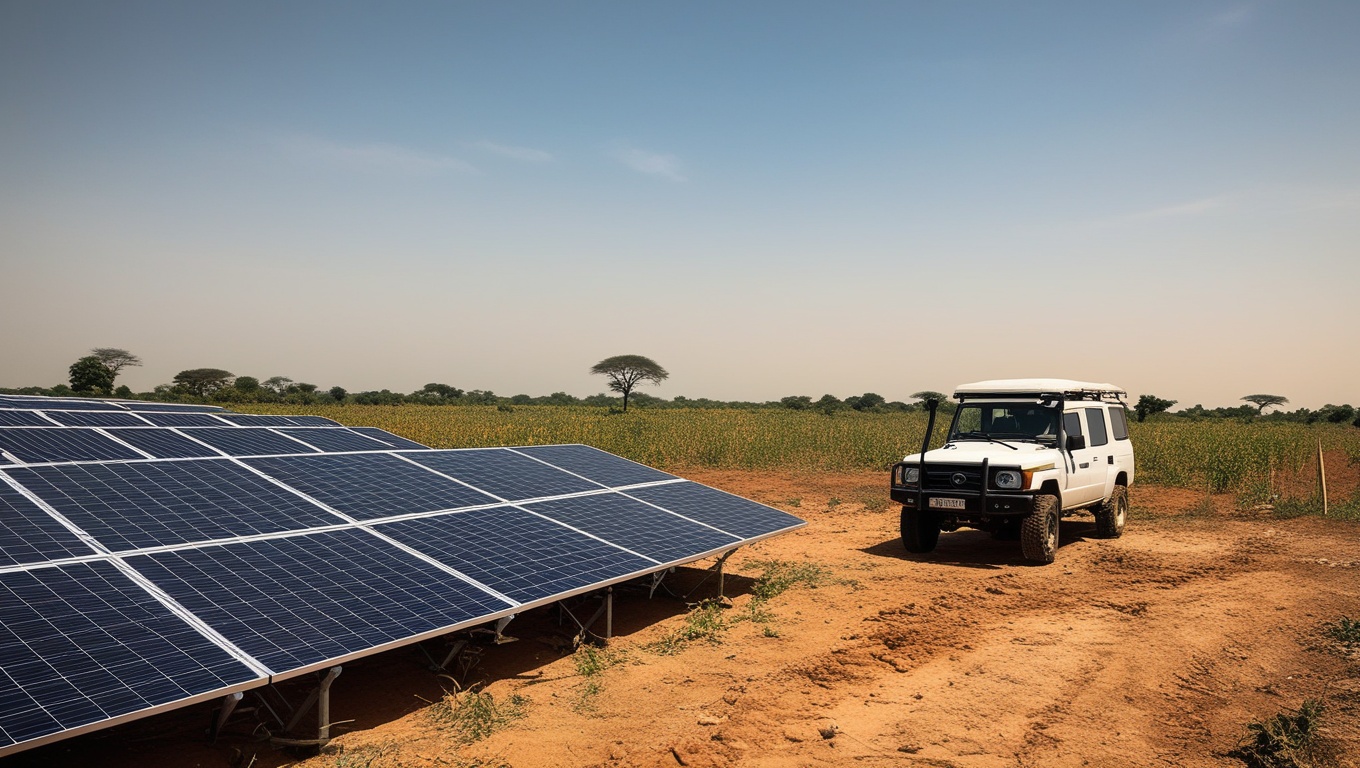
West Africa needs USD 198.88 billion by 2030 to meet its climate commitments, yet only 7% has been mobilized. Behind the announcements lies a mechanics of loans and an adaptation gap that weigh on the region's public finances.
The Digital Divide: Who Is Really Connected in West Africa
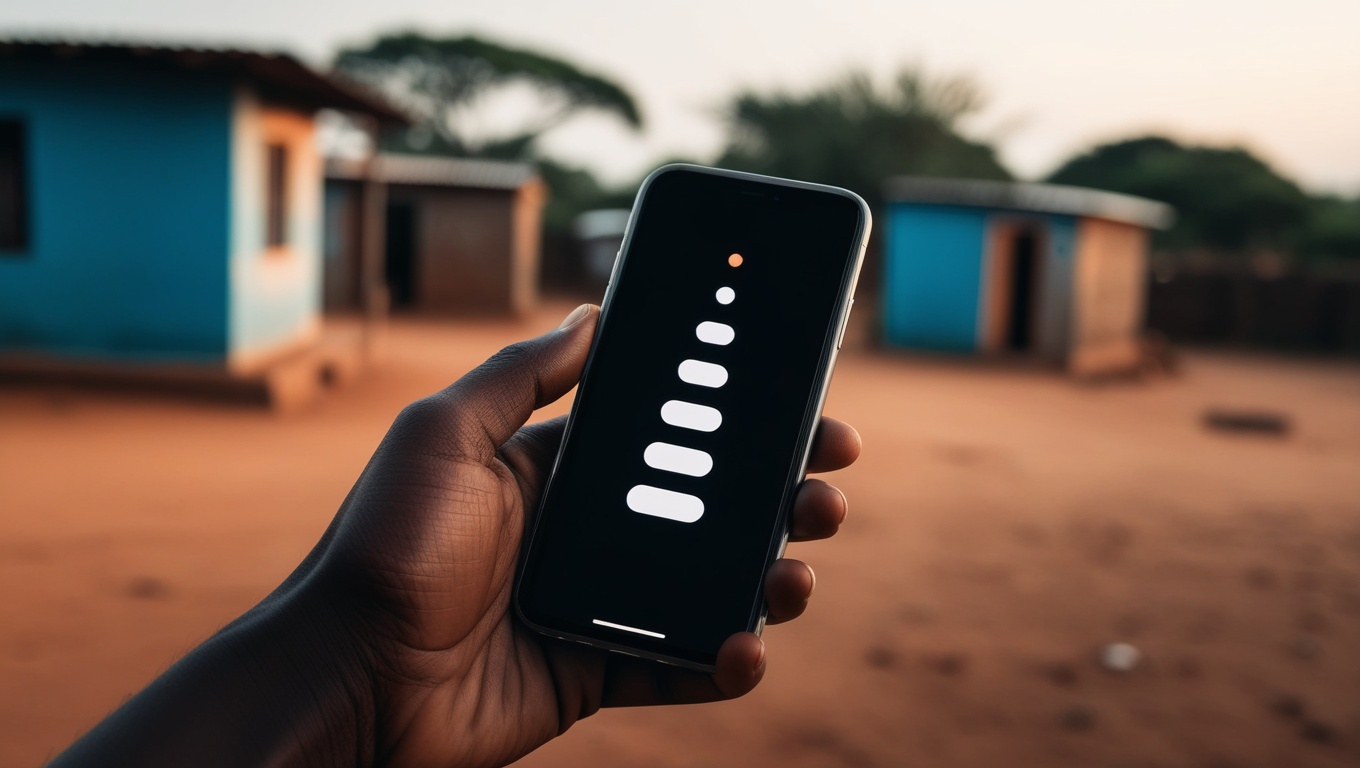
In 2024, internet penetration ranges from 15.6% in Niger to 72.2% in Ghana. But the real regional divide is not only between countries: it separates network coverage from actual use, cities from rural areas, and men from women. A close reading of a divide that averages conceal.
Public Education Spending: The Budget Effort in Question
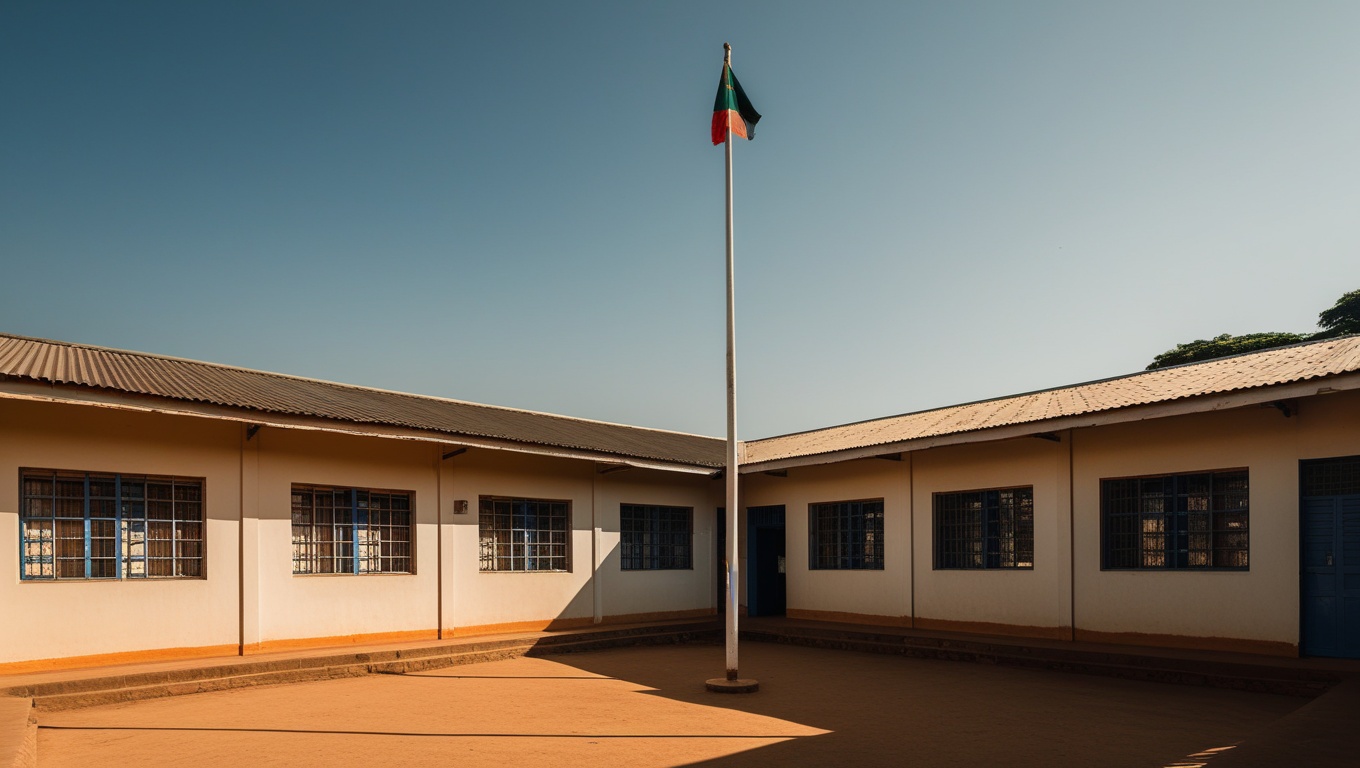
With around 3.6% of GDP devoted to education (average of the nine countries tracked, 2022), West Africa remains below the continental average (4.3%), below the global average (4.66%) and below the 4% floor set by the Education 2030 framework. Behind this average, gaps of one to seventeen between countries will determine the fate of a generation of learners, just as the school-age population is set to surge.
Health spending: when out-of-pocket costs push households into poverty
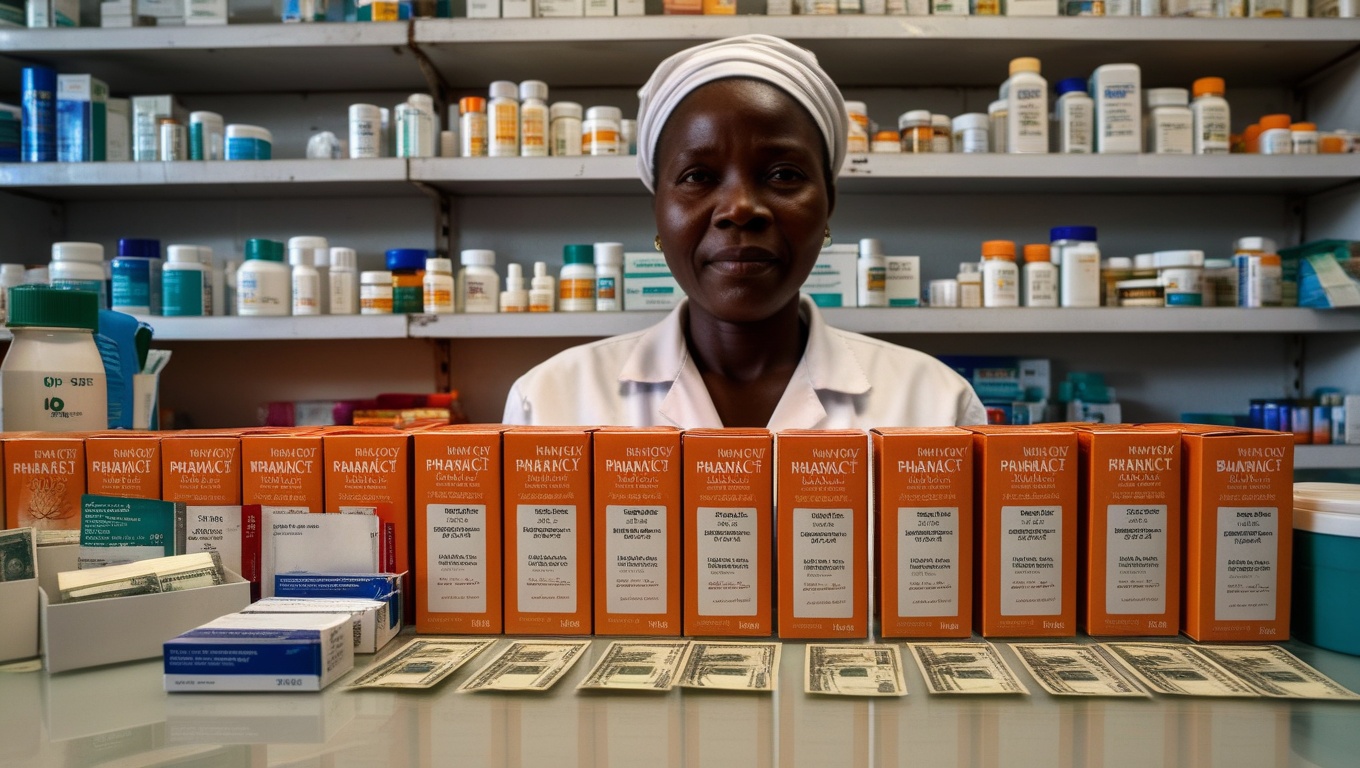
In West Africa, households sometimes finance more than 70% of health spending. This reliance on direct payment turns illness into a driver of impoverishment and undermines universal health coverage.
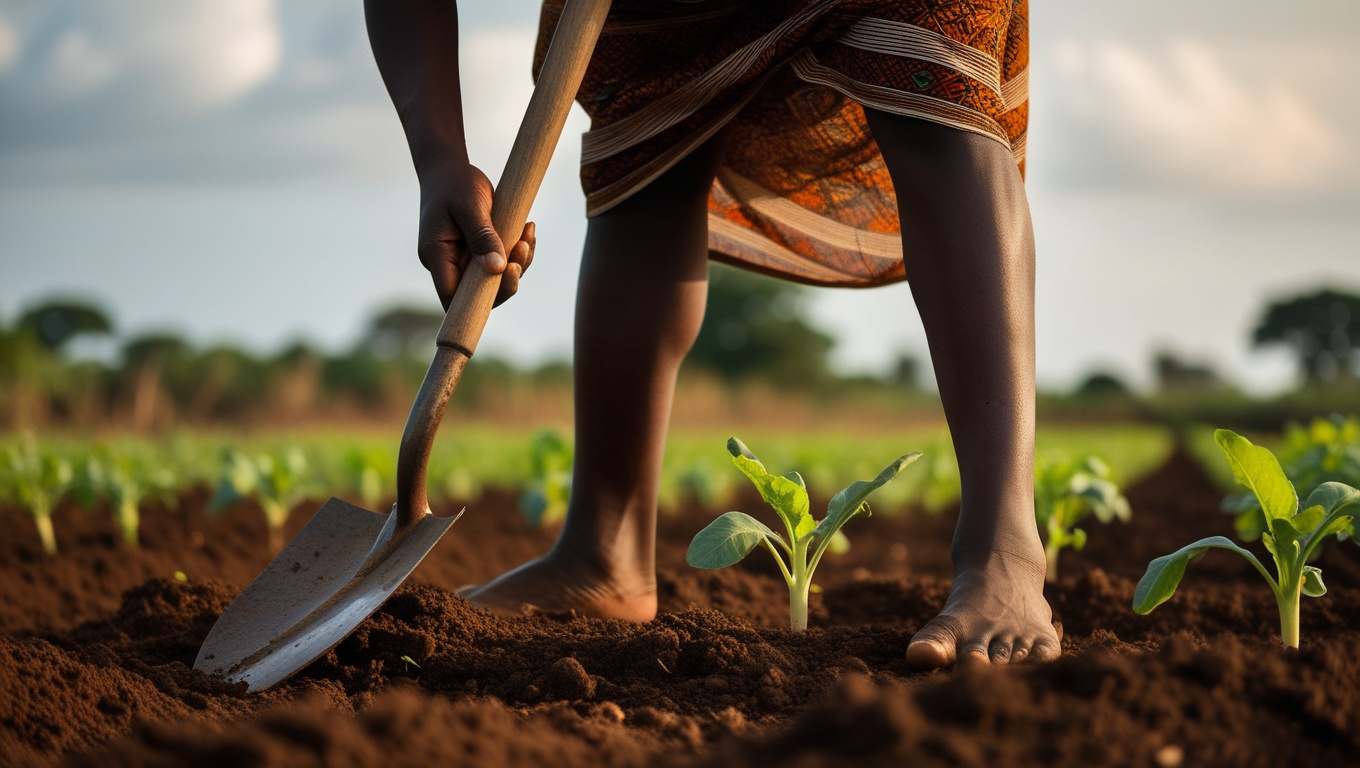
Agriculture in West Africa: the leading employer, an undervalued contribution to GDP
Agriculture employs between 30 and 73 percent of West Africa's workforce, yet its share of GDP lags far behind its weight in employment. This gap reflects a productivity deficit that public policy can correct, provided it is measured precisely.

CO2 emissions per capita: minimal responsibility, maximum vulnerability
West Africa accounts for less than 1% of global greenhouse-gas emissions, yet ranks among the regions most exposed to climate disruption. This imbalance between responsibility and exposure makes adaptation, and its financing, the policy priority of the decade.
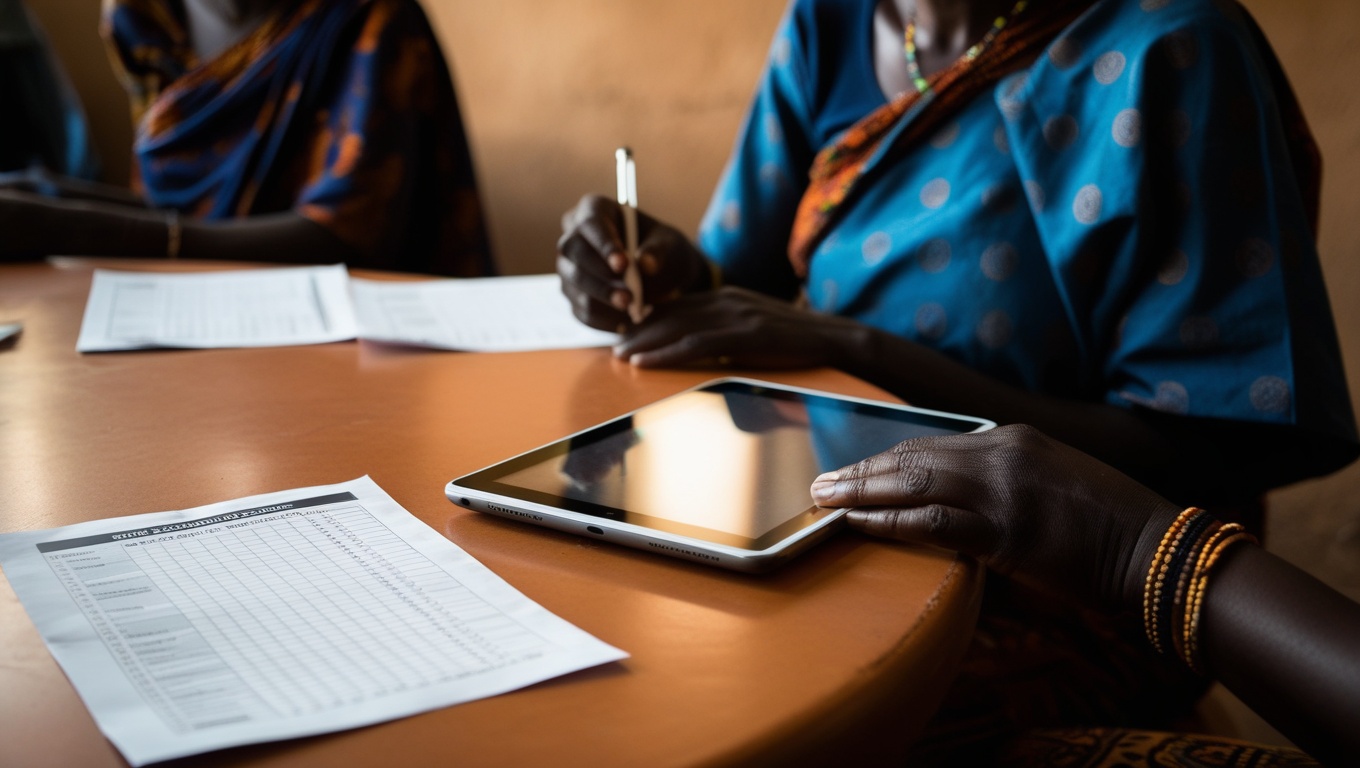
Censuses and surveys: the raw material of decision-making
In West Africa, modern censuses provide a reliable knowledge base, but civil registration remains weak: in sub-Saharan Africa, only 51 % of births of children under five are registered, and the region holds 90 of the 150 million unregistered children worldwide (UNICEF, 2024). Without this raw material, no public policy can be planned or evaluated.
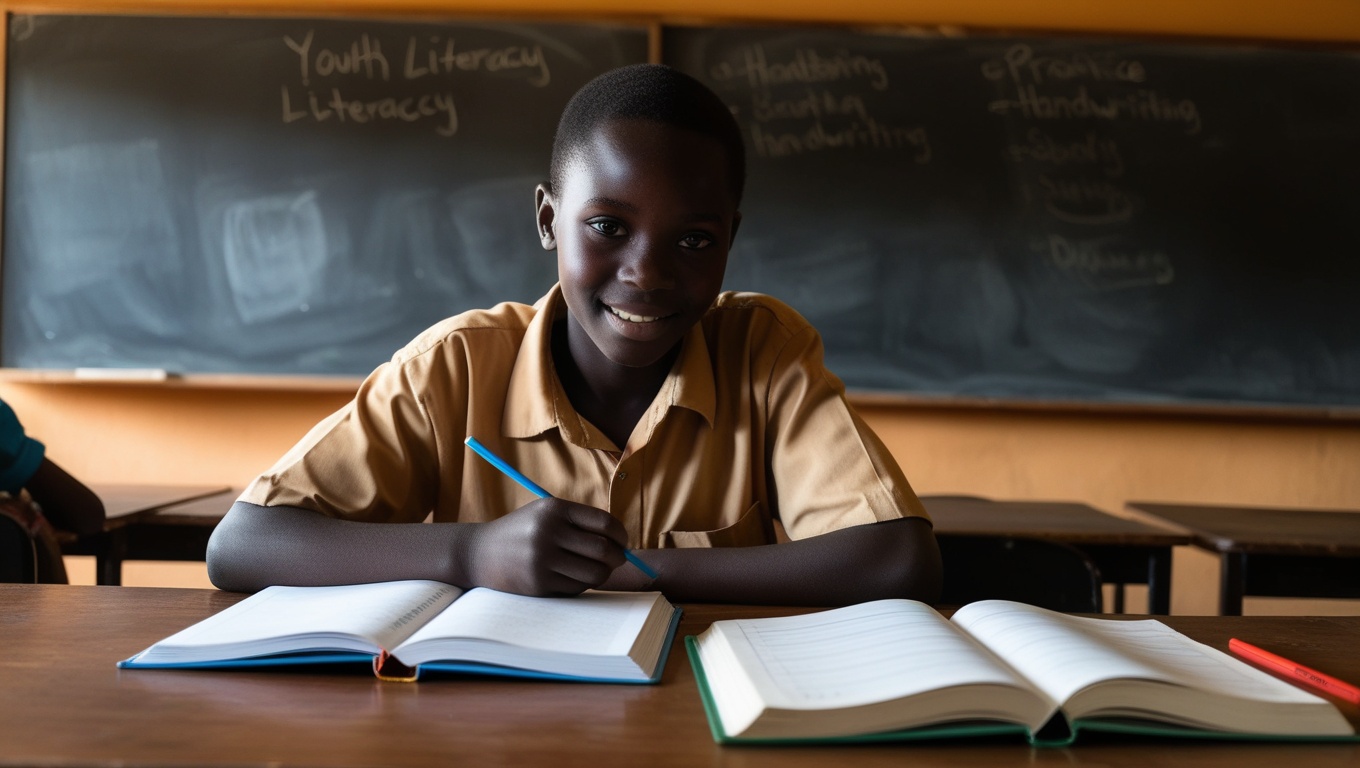
Youth literacy: the fragile foundation of West Africa's human capital
In West Africa, the youth literacy rate ranges from 50% in the Sahel to over 90% in the Gulf of Guinea. Behind these gaps lies the capacity of an entire generation to drive regional growth, and a cost of inaction measured in points of GDP.

Health workforce: the critical density that holds back coverage
In West Africa, no country comes close to the health workforce threshold required for universal health coverage. This shortage is the silent bottleneck that neutralizes every other investment in health.
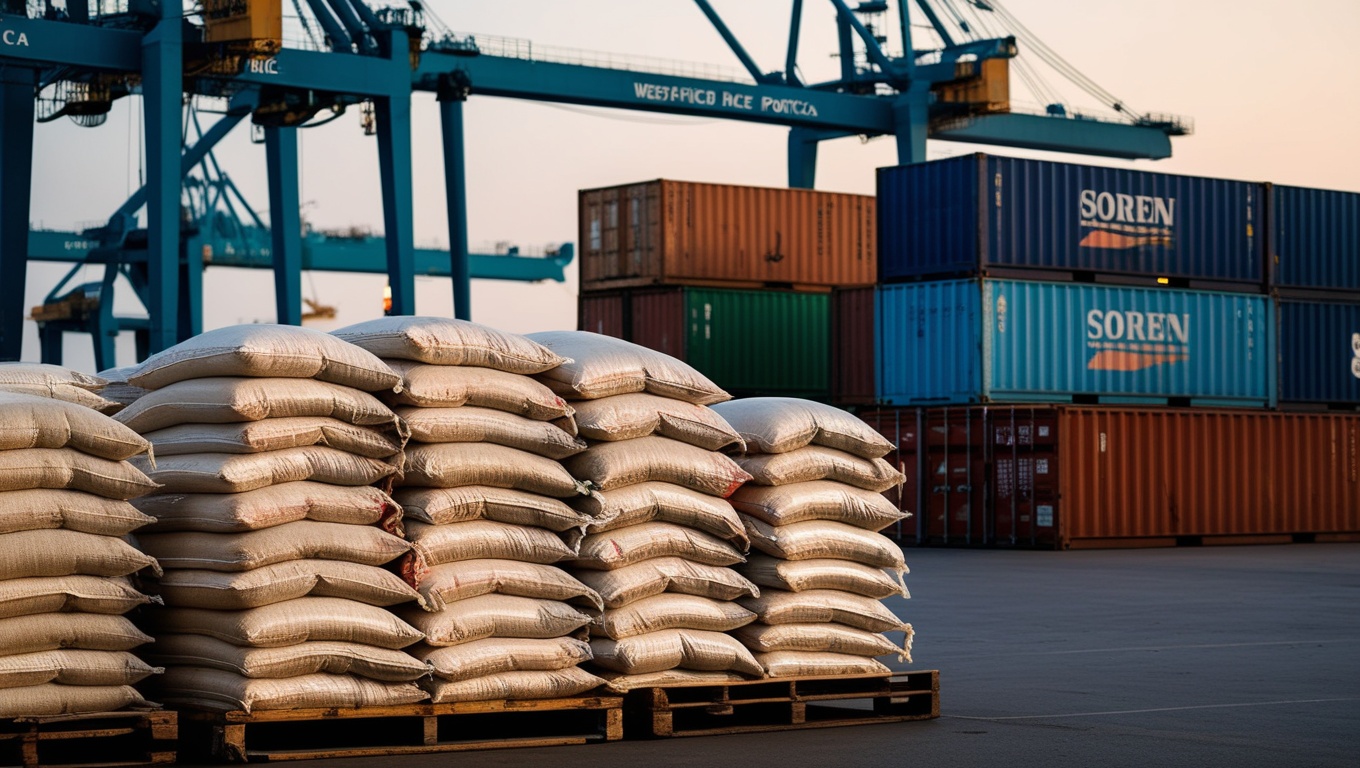
Rice imports: the cost of food dependency
West Africa is producing more rice than ever, yet it keeps importing more. A look at a multi-billion-dollar paradox that weighs on the region's food security and public budgets.

Clean cooking: the blind spot of the energy transition
Nearly one billion people in Sub-Saharan Africa still cook without access to clean energy, at an estimated cost of around 815,000 premature deaths per year. In West Africa, the gap between countries ranges from 44% access to 1.3% (2023), and Côte d'Ivoire's trajectory proves this lag is no fate. The data reveals a blind spot the energy transition can no longer ignore.
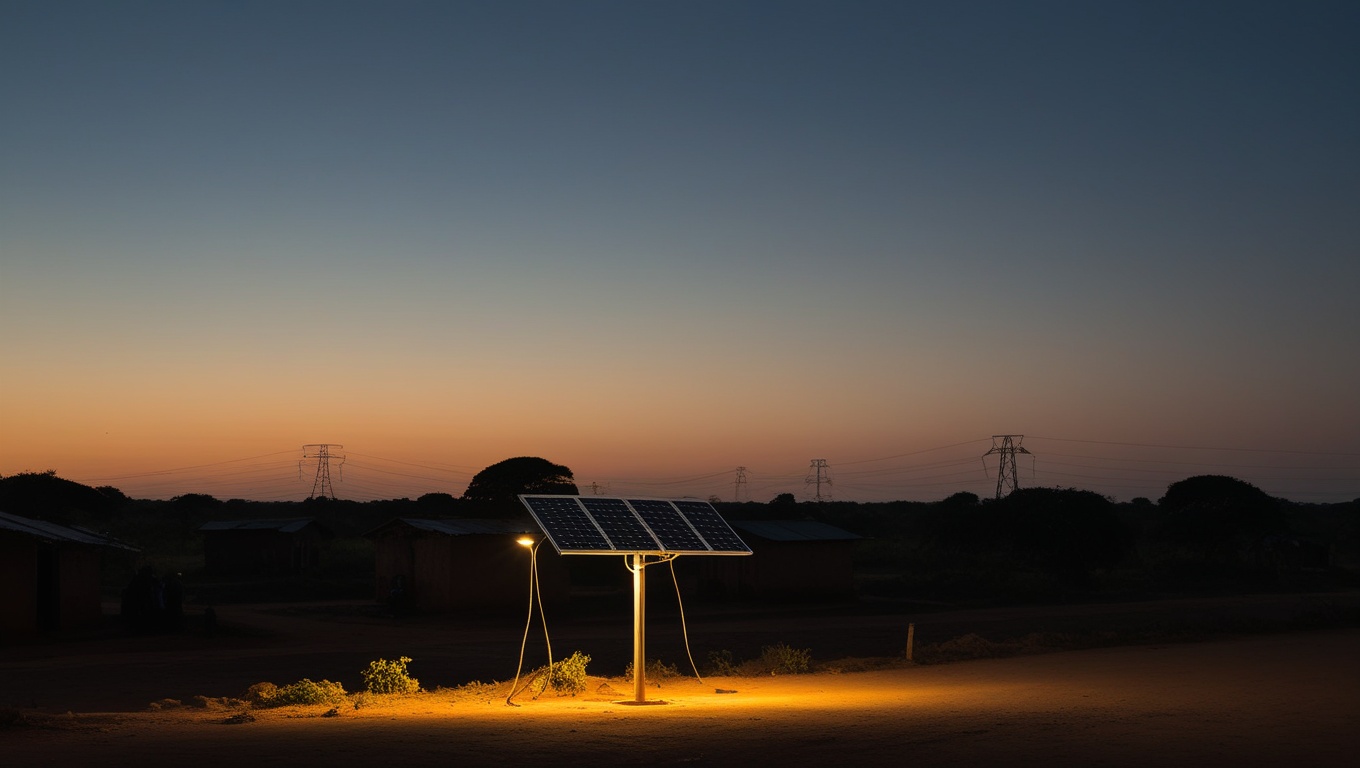
Electricity Access in West Africa: The Urban-Rural Divide
In West Africa, electrification is advancing in cities but stalling in the countryside: while urban areas reach 67 to 98 percent access, rural areas remain stuck between 10 and 44 percent. This gap, not the national average, is the true measure of energy equity.

Primary Completion in West Africa: The Bar Stays High
The gap between West African countries is widening: Ghana (97.5%) and Togo (91.22%) clear the global target while Mali (48.43%) and Burkina Faso (51.99%) remain below half a cohort. Reading the trajectories, the mechanisms and the cost of inaction to close the gap with the 88% goal.

Statistical capacity: no reliable data, no reliable policy
Across West Africa, gaps in digital infrastructure, human capital and budgetary resources are weakening national statistical systems. Yet a public policy is only as sound as the data on which it rests, and Senegal proves that lagging behind is no fate.

Childhood immunization: who is catching up, who is falling behind
West Africa has broadly returned to pre-pandemic immunization levels, but behind the average lies a sharp divide between countries catching up (Ghana, Senegal, Burkina Faso) and those falling behind, with Benin dropping to 44 % measles coverage, one of the lowest rates in the region.

Girls in School: Where Gender Gaps Still Widen
In West Africa, the gender gap is no longer just about getting through the primary-school gate; it now plays out in completion and in the quality of learning. Enrolling girls is not enough: they must complete and learn.
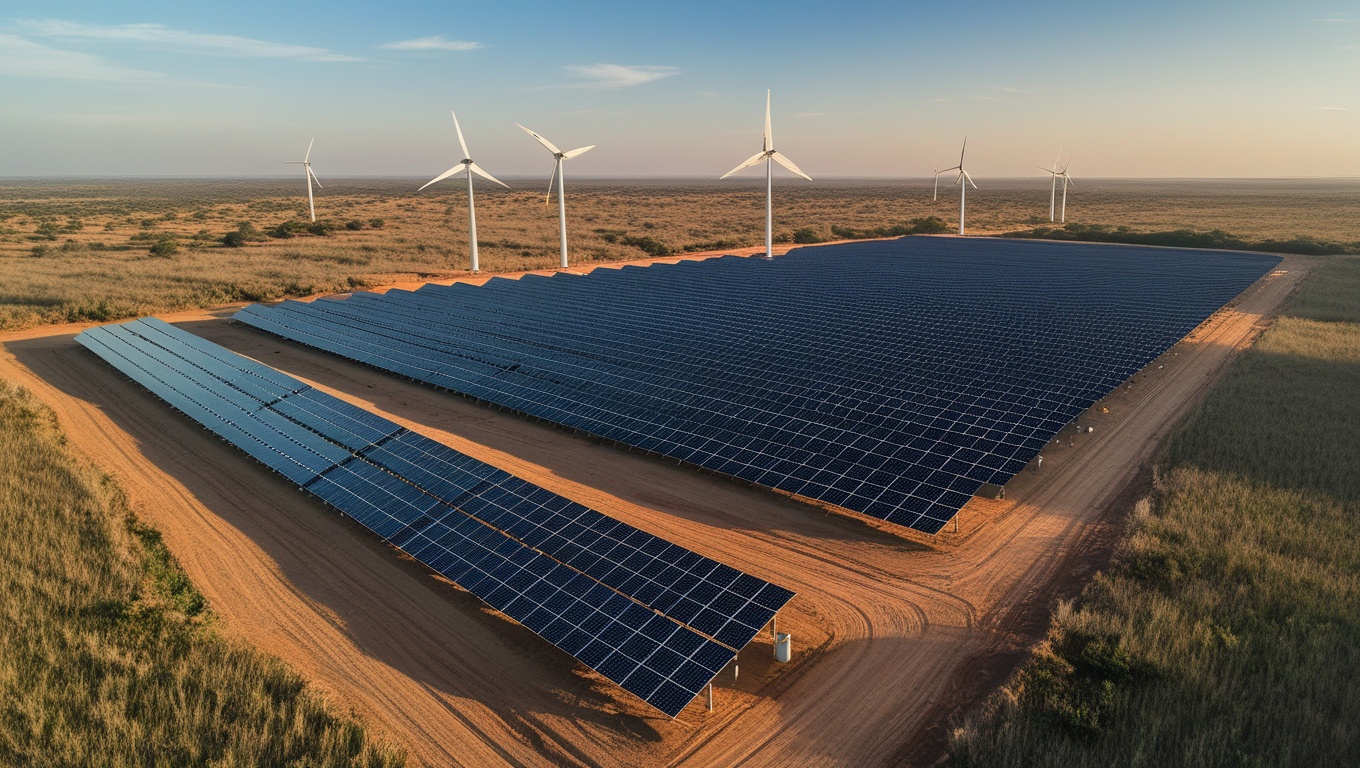
Renewables in the ECOWAS electricity mix: a transition at multiple speeds
ECOWAS aims for 48% renewables in its electricity by 2030, but the regional mix is still estimated at around 26% and conceals staggering gaps, from 62.3% in Mali to 0.26% in Benin. Behind the average lies a fragmented transition that only fine-grained, country-by-country measurement can steer.

Birth registration: to exist is to count
In West Africa, tens of millions of children remain invisible to civil registration. Yet the region has delivered the strongest progress in the world over fifteen years. A look at a field where legal identity unlocks access to every right, and where fine-grained measurement decides who is actually reached.

Maternal Mortality: Real Progress, an Avoidable Gap
West Africa has driven down maternal mortality, but the current pace falls far short. The gap of more than fourfold between neighbouring countries proves it: this lag is not inevitable, it is the product of choices about investment and the organisation of care.
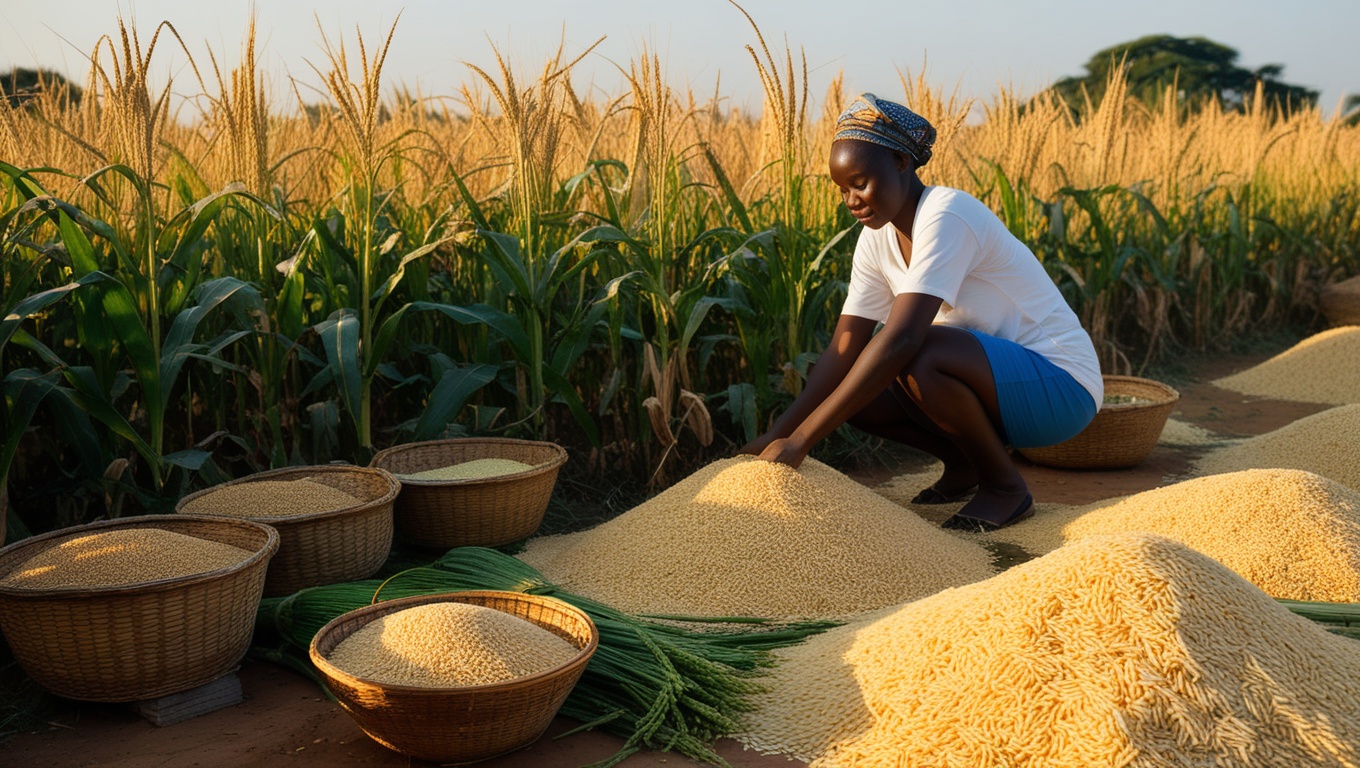
Maize, rice, sorghum: the state of West African cereal production
West Africa is estimated to have produced around 73.7 million tonnes of cereals in 2024, a slight decline according to the FAO, even as its food sovereignty improves. Behind the volumes, a yield gap of 60 to 80% against potential and a record import bill define the challenge of the decade. A data-driven analysis, from Benin to Nigeria.
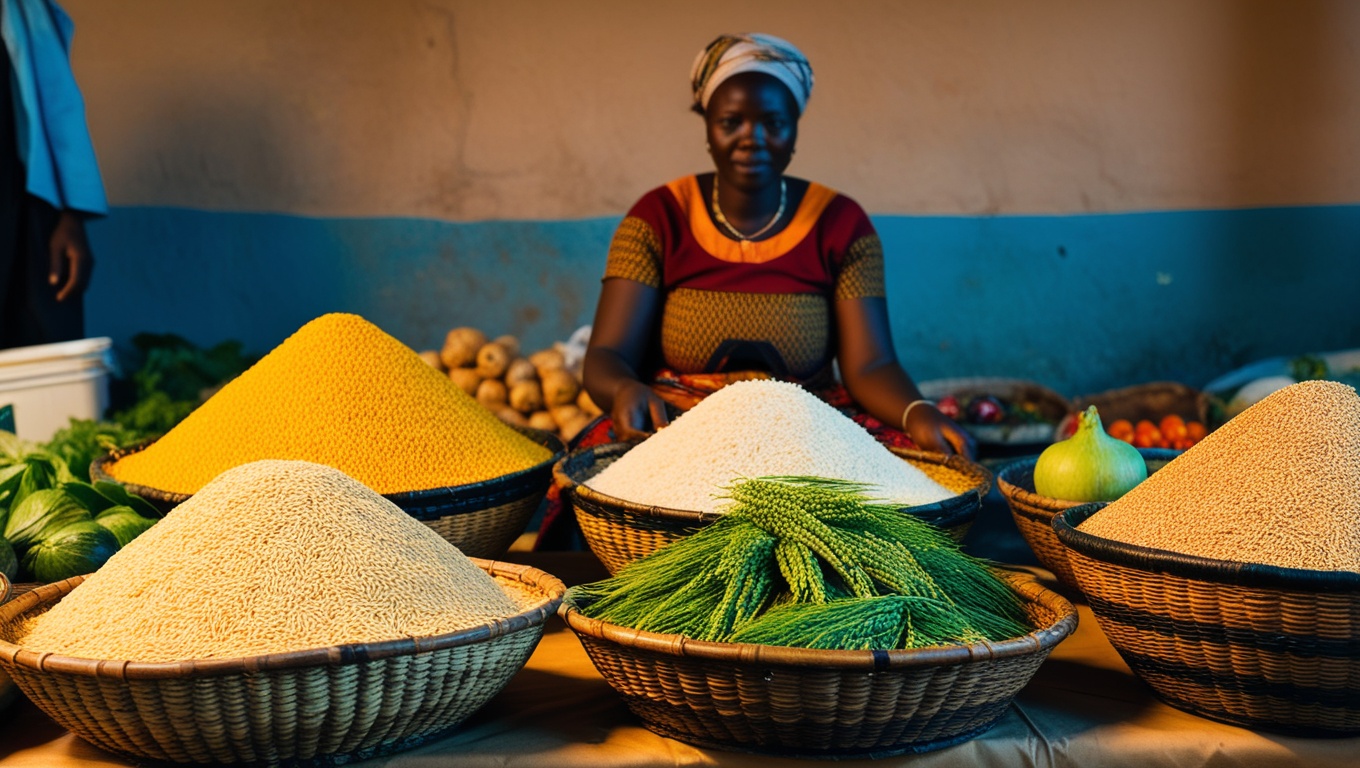
Undernourishment in West Africa: the curve that worries
After undernourishment prevalence held at 15% in 2022 in West Africa, the trajectory is tightening: more than 40 million people food insecure in West and Central Africa at the end of 2024, and a projection of 52.7 million at the mid-2025 lean season (including 3.4 million in Phase 4). A data-driven reading of a curve that is changing slope, and of what it costs.

Sector databases: the missing link in public policy
Collecting is not enough. Between the one-off survey and the national dashboard, the essential piece is often missing: a structured, interoperable and durable sector database able to hold health, agriculture, education and energy data over time. It is this operational link, not the macro statistical framework alone, that today determines the quality of public-policy steering in West Africa.
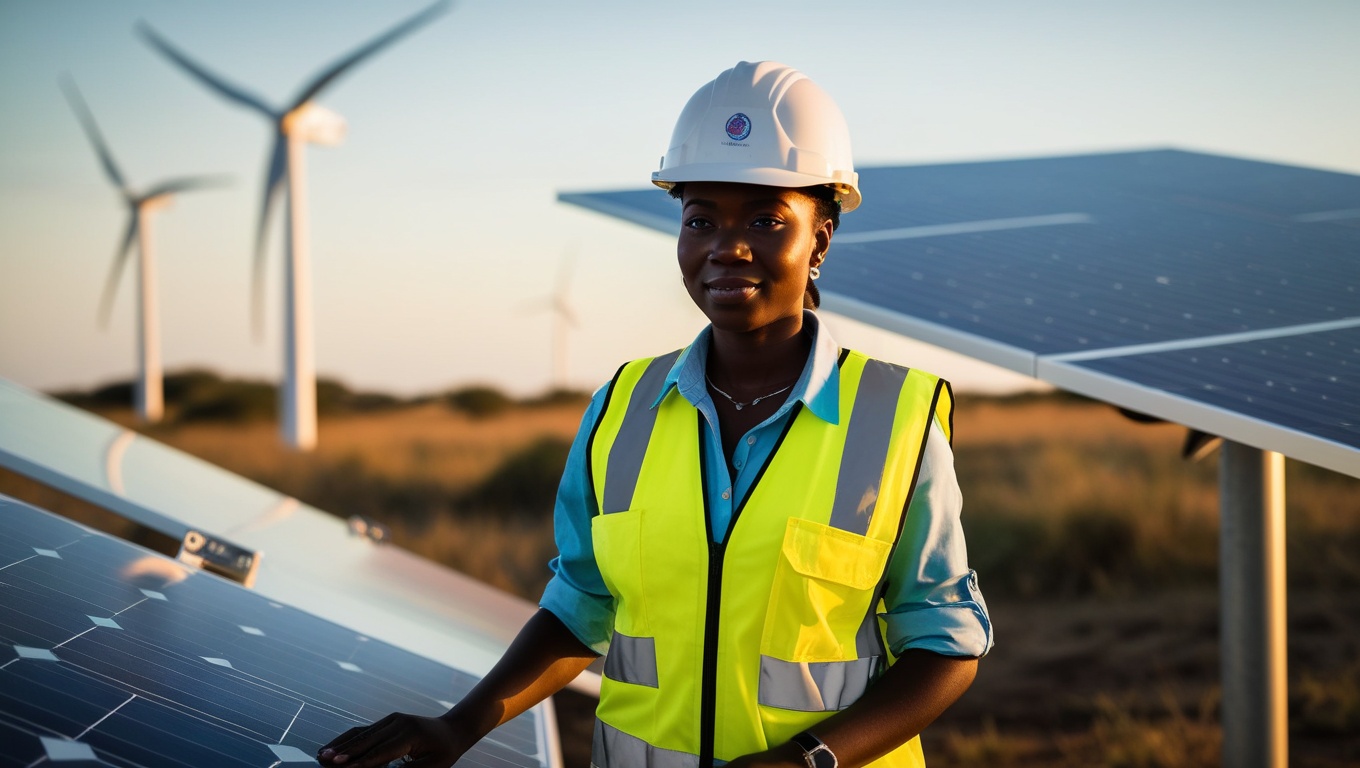
Measuring gender equality in energy: lessons from the WOCEWA project
With WOCEWA, CRAD designed for CEREEC/ECREEE the first gender equality index for sustainable energy SMEs across the twelve ECOWAS countries. A regional score of 48.1 out of 100, and only 16% of SMEs led by women, reveal what no anecdote can show, and steer an 18.96 million USD action plan. The story of a measurement that changes how donors decide.

A monitoring and evaluation system that outlives the project
Too many monitoring and evaluation systems are built for the final report rather than for steering, and die with the funding that created them. This waste is not inevitable: it stems from design choices that six principles can correct. The point is not to measure more, but to build a useful, parsimonious and locally owned instrument that keeps serving decisions long after the donor has gone.
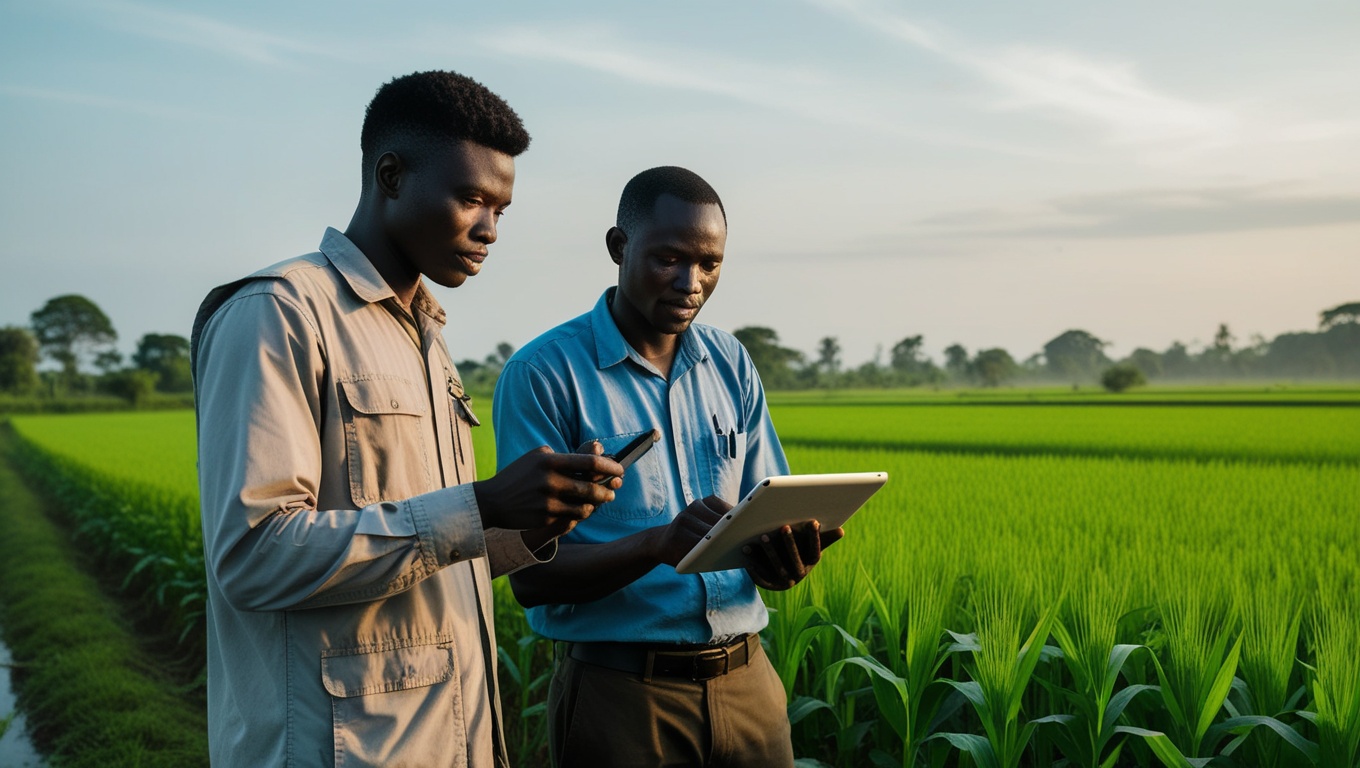
Connected field: how digital data transforms agricultural value chains
For decades, assessing an agricultural value chain meant waiting months between fieldwork and the first results. The shift from paper to mobile digital data collection (ODK, KoboToolbox, CommCare, Survey Solutions) cuts that delay to a few hours and makes data more reliable at source. In economies where agriculture employs 35 to 73 percent of workers, this is not a technical detail: it is the precondition for steering value chains in line with what is at stake.
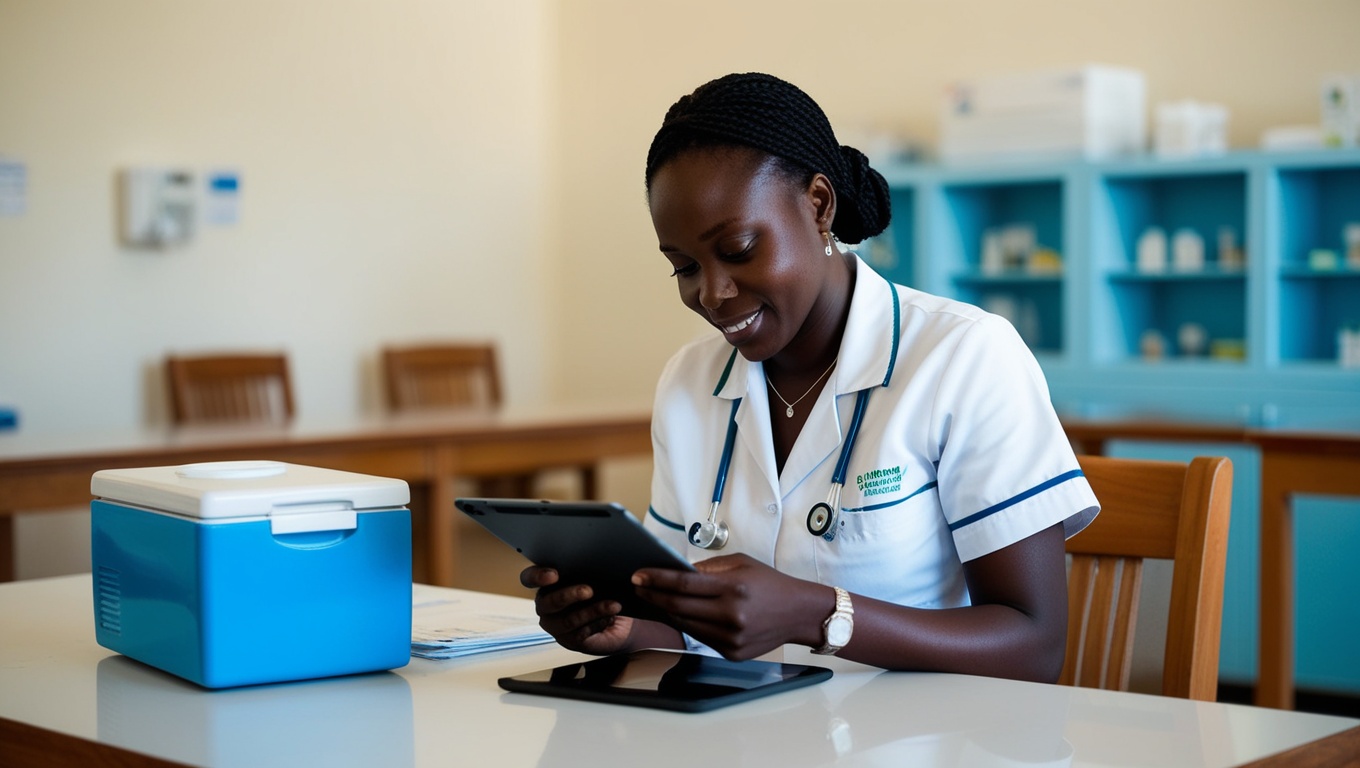
Building health surveillance that lasts
Too many disease surveillance systems collapse the moment the project that funded them ends. In West Africa, one national health system in three still hinges on external aid, and health-worker density sits far below the WHO threshold. The durability of a surveillance system cannot be decreed: it must be designed, from day one, for the moment the donor walks away.
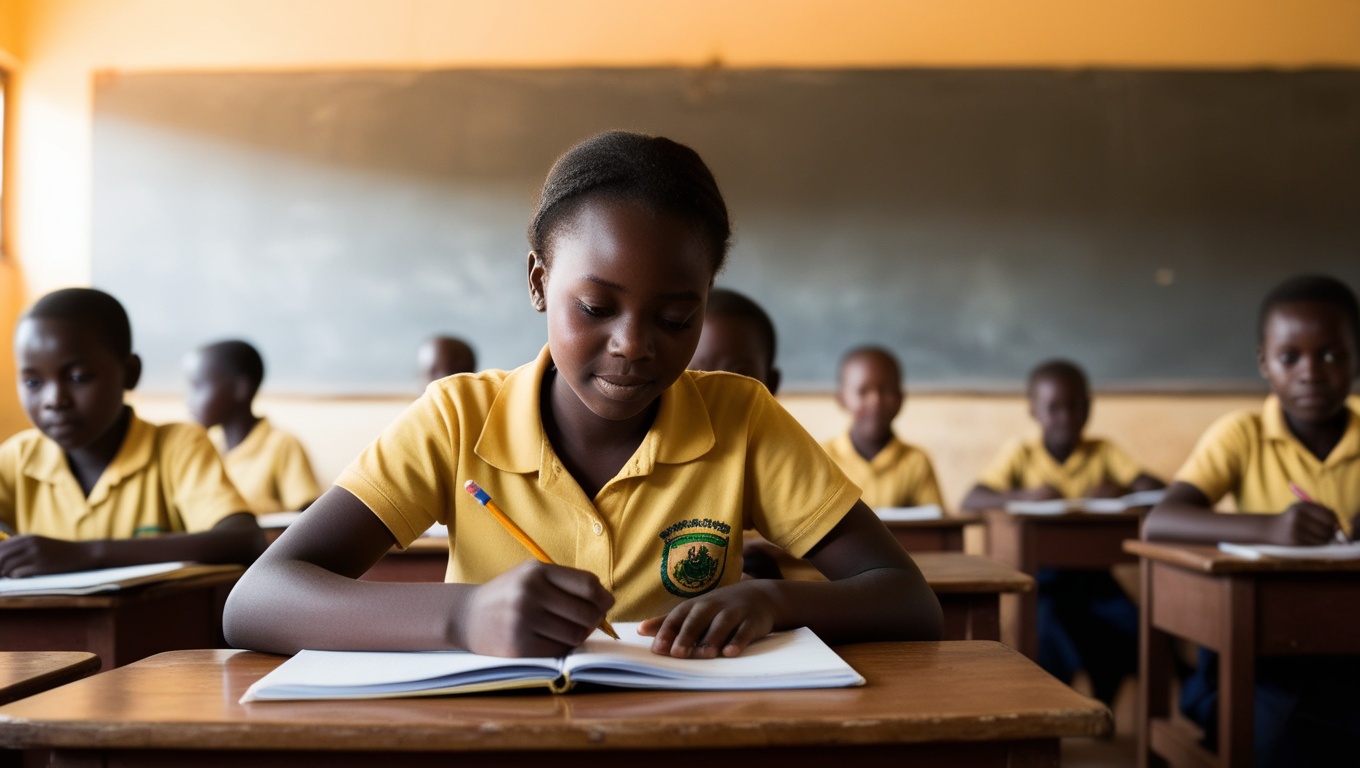
Assessing learning without betraying the field
In West Africa, enrolling children is no longer enough: nearly nine in ten cannot read a simple text at age ten. The real task is now to measure what pupils actually learn, with a methodological rigour and a sensitivity to gender that do not betray the field. A poorly designed assessment manufactures false certainties, and public money aims at the wrong target.
Get our next insights
Methodological notes and field lessons, straight to your inbox.